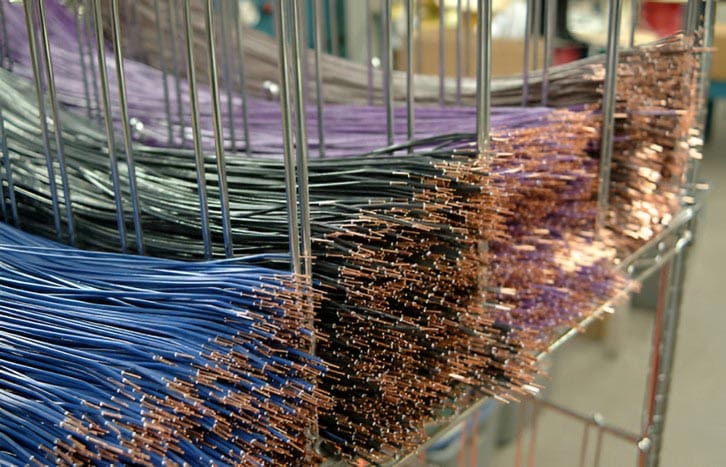
Stripping copper wire can lift its scrap value by a wide margin, yet it is not always the smartest use of your time. At Austick, we see both sides every week from electricians, plumbers and builders across NSW. The real answer depends on wire thickness, volume, your hourly rate and safety. This guide explains when stripping pays off and when it does not.
Key Takeaways
- Stripped copper earns far more per kilo than insulated wire.
- Thick cable is usually worth stripping. Thin wire rarely is.
- Never burn off insulation. It is banned in NSW and lowers value.
- Your time and safety matter as much as the price gap.
- Sorted wire earns more, whether stripped or not.
Why Stripped Copper Earns More
Every recycler prices wire on one thing: how much usable copper it holds. Insulated cable carries a plastic jacket, usually PVC, that has to be removed before the metal can be melted. That removal takes machinery, labour and time, so the cost comes off the price you are offered.
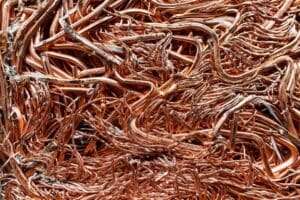
Bare, bright copper is different. It can move almost straight to the smelter, which is why it sits among the top grades of scrap copper.
The plastic itself is part of the problem. According to Electrical Connection magazine, only around 2 to 5 per cent of PVC cable insulation is effectively recycled, even though roughly half of all cable material, mostly metal, is recovered.
What Is Pushing Copper Prices Higher
Copper has had a remarkable run. The metal set fresh price records in 2026, driven by electrification, data centres and tight mine supply. Australia holds about 13 per cent of the world’s copper resources, according to Market Index copper data, yet global demand still outpaces new supply.
Higher prices matter for one simple reason. When copper is worth more, the dollar gap between stripped and insulated wire grows too. That makes stripping more tempting. You can check where rates sit today on our current scrap copper prices at Austick.
When Stripping Is Worth the Effort
Stripping pays best when the copper yield is high and the job is quick. It usually makes sense when:
- The Cable is Thick: Heavy power cable has a large copper core, so each metre gives more metal.
- You Have Decent Volume: A few offcuts rarely justify the time. A full trailer load often does.
- You Own a Proper Stripping Tool: A bench or rotary stripper cuts the work down sharply.
- You Have Spare Time: A quiet afternoon in the yard costs less than a paid job.
When It Is Better to Sell It Insulated
In many cases, handing over wire with the jacket on is the smarter move. This is often true for:
- Thin Wire: Data cable, phone lines and appliance cords hold very little copper.
- Tangled or Mixed Loads: Sorting and stripping these can take hours.
- Small Quantities: The extra return may only cover a coffee.
- Busy Tradies: If your hourly rate is higher than the gain, stripping costs you money.
A Simple Way to Do the Maths
Before you pick up a stripper, run a quick sum. Here is an example using illustrative figures only, as real prices move daily:
- You have 20 kg of insulated cable. At $4 per kg, that is $80.
- Stripped, the cable yields about 12 kg of clean copper.
- At $11 per kg, that copper brings $132.
- The difference is $52. If stripping takes three hours, you earn about $17 per hour.
If your time is worth more than that, sell the wire as it is. If the cable is thicker, the yield rises and the numbers improve quickly. Sorting also counts.
Simple Tips Before You Bring Wire In
A little preparation goes a long way, whether you strip the wire or not. These habits help you get a fairer price:
- Keep stripped copper and insulated cable in separate bags or bins.
- Remove plugs, lugs, steel fittings and tape where you can.
- Keep wire dry and free of dirt, oil and paint.
- Group thick and thin cable apart so each is graded correctly.
Safety Always Comes First
Stripping with a utility knife is where most people get hurt. As Safety Solutions reports, Safe Work Australia research found that using a sharp edged tool, especially a knife, is the single task causing the most work related hand and wrist injuries. A proper stripping tool, cut resistant gloves and a stable bench make a real difference.
Burning is never an option. NSW bans the burning of coated wire statewide under its clean air rules. Burning releases toxic fumes, damages the copper surface and lowers the price you will be paid.
The Bigger Picture for Australian Recycling
Selling copper through a licensed recycler supports an industry that works well. The National Waste and Resource Recovery Report 2024 puts the recovery rate for metals at about 90 per cent, the highest of any material. Waste Management Review describes metals as the leader of Australia’s circular economy efforts.
The economic value is significant too. The Australian Council of Recycling economic study found the recycling industry added $18.9 billion to the economy and supported 94,235 jobs in 2021 to 22.
Research backs this up. A study in the Journal of Industrial Ecology estimated Australia’s end of life metal recycling rate at around 80 per cent. An earlier paper in the Journal of Cleaner Production found about 70 per cent of discarded copper in Australia was being recycled, showing steady progress over time.
There is still room to improve. Clean Up Australia notes Australians produce around 700,000 tonnes of electronic waste each year, much of it rich in copper. Sustainability Matters also argues that stronger onshore processing would help keep valuable materials in the country.
Responsible selling also matters. Copper theft is costing Queensland councils millions, which is why reputable recyclers check identification and keep clear records for every sale.
Conclusion
Stripping copper wire pays off when the cable is thick, the volume is decent and the job can be done safely. For thin or mixed wire, selling it insulated often makes better sense. Either way, sorted material earns more. Get in touch with us today for a fair quote, convenient pickup across NSW and honest advice on getting the best return from your scrap.
FAQs:
Is it worth stripping copper wire for scrap?
Usually yes for thick cable in decent volumes. Thin wire often takes too long to justify the extra return.
How much more is stripped copper wire worth?
Clean stripped copper often earns two to three times more per kilo than insulated wire, depending on market prices.
Is it illegal to burn copper wire in NSW?
Yes. NSW bans burning coated wire statewide because it releases toxic fumes and harms air quality.
What is the easiest way to strip copper wire?
A hand or bench wire stripper works best. It is faster and safer than using a utility knife.
Do scrap yards buy insulated copper wire?
Yes. Most metal recyclers, including Austick, buy insulated copper wire and pay based on its recoverable copper content.
What copper wire is not worth stripping?
Thin telephone, data and appliance cords are rarely worth stripping because their copper yield is very low.