Not all scrap copper is valued the same way, and knowing the difference between grades can significantly affect what you receive at the yard. Whether you are a tradie, a demolition contractor, or someone clearing out old wiring, understanding copper grades saves time and earns you more. At Austick, we help NSW clients get the best return on every type of copper they bring in.
Table of Contents
Key Takeaways
- Bare bright copper commands the highest price per kilogram.
- Grade determines payout, so sorting matters before you sell.
- Insulated copper is still valuable, just priced differently.
- Clean, uncontaminated copper always earns more.
- Knowing your grade avoids surprises at the recycling yard.
Why Copper Grades Exist
Copper recycling is not a one-size-fits-all process. The purity, condition, and composition of the material you bring in directly affects how much processing a recycler must do before the copper can be reused. The more work required, the lower the payout.
According to CSIRO, nearly one third of global copper demand is met through recycling, and the average Australian home contains around 90 kilograms of copper hidden in wiring, appliances and plumbing. With copper prices remaining strong globally, properly sorted and graded scrap is in high demand.
Australia’s copper export earnings are estimated at $13.2 billion in 2024-25, according to the Department of Industry, Science and Resources. This strong market conditions makes it a prime time to understand and act on the value of your scrap copper.
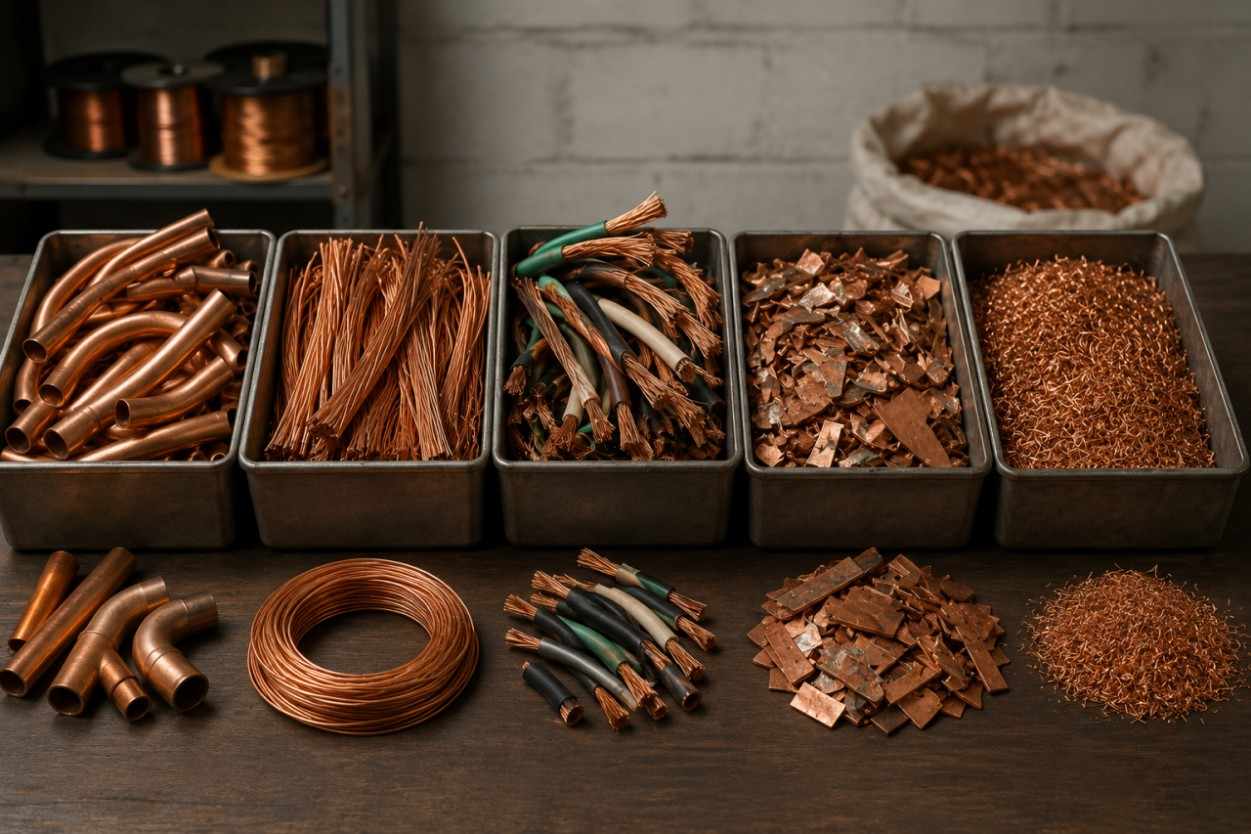
The Main Grades of Scrap Copper in Australia
Bare Bright Copper (Millberry Grade)
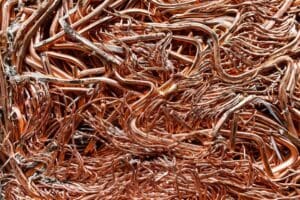
This is the premium grade. Bare bright copper is clean, uncoated, unalloyed copper wire that is free from insulation, solder, paint, and oxidation. It must be thicker than 1.6mm and show no tarnishing or contamination of any kind. The purity level sits at 99% or above.
Because bare bright copper requires almost no additional processing, it commands the strongest price per kilogram at recycling yards. In Australia, clean bare bright copper currently fetches approximately AUD $10.00 to $11.75 per kilogram, depending on volume and location. If you have freshly stripped wiring from a construction or demolition project, this is the grade you are aiming for.
- Sources: Electrical wiring from new builds, bus bars, freshly stripped cable offcuts
- Condition Required: No coatings, no solder, no tarnish, no attachments
- Purity: 99% or higher
Number 1 Copper
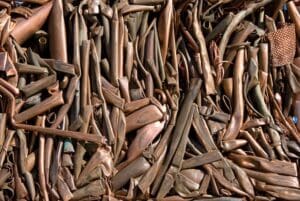
Number 1 copper includes clean copper pipe, tubing, and bus bars that may have slight surface oxidation but are otherwise free from coatings, solder, paint, or attached fittings. This grade is extremely common and comes from plumbing, HVAC systems, and electrical infrastructure.
It sits just below bare bright in terms of value. Typical Australian pricing for Number 1 copper sits around AUD $10.00 per kilogram. Plumbers and construction teams regularly generate this material through pipe offcuts and removed plumbing systems.
- Sources: Plumbing pipe, copper tubing from air conditioning, roofing copper, electrical bus bars
- Condition Required: Clean with no major coatings or solder
- Purity: 95 to 99%
Number 2 Copper
Number 2 copper covers material that contains visible solder joints, paint, minor coatings, oxidation, or attached fittings. It still holds strong value, but the extra processing required brings the price down compared to Number 1. Australian pricing for Number 2 copper generally sits between AUD $9.00 and $10.00 per kilogram.
This is the grade most common from older plumbing systems, roofing, and general demolition work. Many tradespeople are surprised to find their off-cuts fall into this category simply because of solder or minor paint. Cleaning and removing contaminants where practical can push material back up to Number 1.
- Sources: Soldered pipe joints, painted copper sheet, older plumbing fittings
- Condition: Contaminated with solder, paint or minor attachments
- Purity: 94 to 96%
Insulated Copper Wire
Insulated copper wire is common from electrical work, demolition, and end-of-life appliances. The plastic or rubber insulation must be stripped away or factored into the pricing calculation before the copper can be reclaimed. Recyclers typically pay based on the estimated copper recovery percentage after stripping.
PVC-coated insulated copper wire typically earns between AUD $2.50 and $4.50 per kilogram in Australia, depending on the insulation thickness and copper recovery rate. Stripping the insulation yourself before bringing it in can move this material into the bare bright or Number 1 category and earn a significantly higher return.
- Sources: Old wiring, electrical cables, appliance cords
- Pricing Basis: Assessed on copper recovery rate after insulation removal
- Tip: Stripping insulation before delivery improves your payout significantly
Light Copper and Mixed Copper
Light copper and mixed copper covers material that does not fit cleanly into the categories above. This may include thin sheet copper, burnt or corroded copper, copper with significant attachments, or mixed loads that have not been sorted. Recyclers typically pay AUD $8.00 to $9.00 per kilogram for burnt or corroded copper.
The key message here is simple: sorting pays. A mixed load earns you the rate of its lowest-grade component. Separating your material into distinct grades before you arrive means each batch is assessed on its own merits.
Why Sorting Before You Sell Matters
The difference between a well-sorted load and an unsorted mixed load can be substantial, especially at scale. Tradespeople and demolition contractors who take the time to separate their copper grades routinely earn meaningfully more per kilogram than those who bring in everything mixed together.
Prepare scrap metal for recycling help you maximise your return before you ever arrive at the yard.
The Environmental Case for Grade-Conscious Recycling
Beyond the financial return, getting copper grades right also supports better environmental outcomes. As CSIRO reports, nearly 80% of all copper ever mined is still in use today, and recycling copper uses significantly less energy than producing new copper from ore. When you bring in correctly sorted, high-grade material, it can be reprocessed with minimal additional refining, which reduces energy consumption and emissions across the supply chain.
The NSW EPA has noted the importance of clean material recovery in improving recycling outcomes across the state. NSW generated a commercial and industrial recycling rate of 52% in 2024-25. Metal recycling, including copper, plays an important role in lifting that figure.
Combining proper cable stripping and sorting with controlled processing achieves copper recovery rates of up to 99.5%, demonstrating just how effective grade-conscious recycling can be.
Conclusion
Understanding copper grades is one of the most practical steps you can take to earn more from your scrap. Clean, sorted copper generates better returns and supports a more efficient recycling process. If you want to know exactly what your material is worth before you head in, contact us today. We offer free pickup across NSW and competitive scrap copper prices on every grade.
FAQs:
What is the highest grade of scrap copper?
Bare bright copper is the top grade. It is clean, uncoated wire with no insulation, solder, or tarnish.
What is the difference between Number 1 and Number 2 copper?
Number 1 is clean with no coatings. Number 2 contains solder, paint, or minor contamination, earning a lower price.
Does stripping copper wire increase its value?
Yes. Stripped wire often qualifies as bare bright or Number 1 copper, earning significantly more per kilogram.
How is insulated copper wire priced in Australia?
It is priced based on estimated copper recovery after insulation removal, typically $2.50 to $4.50 per kilogram.
Why does sorting scrap copper increase your payout?
Mixed loads are assessed at the lowest-grade rate. Sorted loads allow each grade to be valued at its full market price.
What happens to burnt or corroded copper?
It is accepted as a lower grade, typically light copper, priced around $8.00 to $9.00 per kilogram in Australia.