Not all copper is created equal, and if you’re tossing it all in the same bin, you’re almost certainly leaving money on the table. Whether you’re a tradie clearing a job site, a plumber with offcuts stacking up, or just someone who’s found a pile of old wiring, knowing how to spot high-grade copper on the spot can make a real difference to your payout. At Austick, we deal with copper every single day, and we’ve seen how much graders can vary, and how much money people miss out on simply because they didn’t know what they were holding.
Table of Contents
Key Takeaways
- Bare bright copper is the most valuable grade, bright, shiny, uncoated, and unalloyed
- Colour, shine, and surface condition are the fastest ways to grade copper on the spot
- The magnet test is the quickest way to confirm that a metal is copper and not steel
- Stripping insulation from copper wire nearly always increases its value significantly
- Sorting by grade before you arrive at a recycler means a faster, fairer, and higher payout
Why Identifying Copper Grade Matters
Copper is one of the most sought-after metals in the scrap recycling industry. Its conductivity, corrosion resistance, and infinite recyclability make copper genuinely valuable. But the price you’ll receive depends almost entirely on which grade you’re bringing in. The spread between the highest and lowest grades can be several dollars per kilogram, a difference that adds up quickly if you’re dealing with any real volume.
In Australia, trades and construction are the biggest sources of scrap copper. Electricians, plumbers, builders, and demolition crews all generate copper regularly, but only those who understand grading consistently walk away with top dollar. The good news? Identifying high-value copper doesn’t require specialist equipment. You just need to know what to look for.
The Copper Grading System Explained
Before you can identify high-value copper, it helps to understand how the grading system works. The main categories you’ll encounter at any recycling facility:
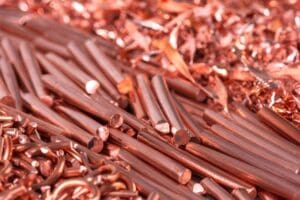
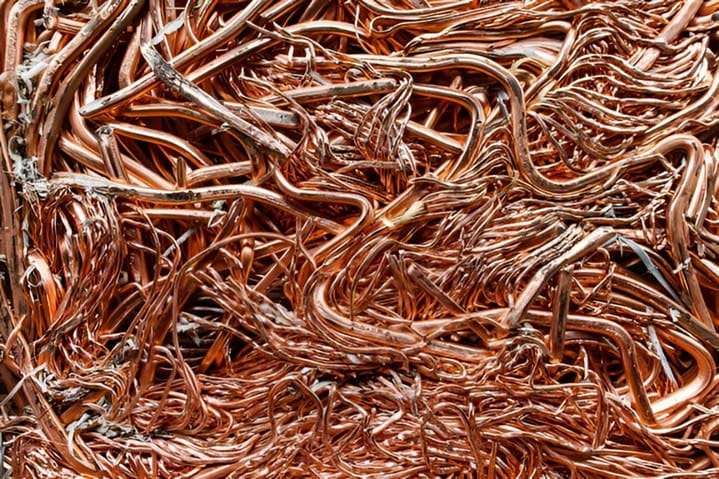
- Bare Bright Copper: The top tier. Clean, uncoated, unalloyed copper wire or cable, no thinner than 16 gauge, with no oxidation, insulation, solder, or paint. This is the most valuable grade and fetches the best price per kilogram at any recycler.
- #1 Copper: Clean copper pipe, tubing, or wire that is free of solder, paint, and coatings. Minor oxidation is acceptable. Plumbing offcuts and clean electrical cable (with insulation stripped) often fall into this category.
- #2 Copper: Copper that carries some level of contamination, light oxidation, traces of solder, paint, or a coating. Still valuable, but requires more processing at the recycler’s end, which is reflected in the price.
- #3 Copper / Light Copper: The lowest grade. Thin-gauge copper, heavily oxidised pieces, or material with significant contamination. Still worth recycling, but at a considerably lower rate than the grades above.
Knowing which category your copper falls into before you show up saves time for everyone and puts you in the best position to negotiate a fair price.
Trick 1: Trust Your Eyes: Colour and Shine Are Dead Giveaways
The fastest and most reliable trick for identifying high-value copper is simply looking at it carefully. Copper has a very distinctive appearance, and its grade is written all over its surface if you know how to read it.
Copper’s reddish-brown colour is one of the most reliable visual identifiers in all of scrap metal. When it oxidises or tarnishes over time, it develops a greenish patina, which is actually a sign of lower grade.
What to look for:
- Bright, Pinkish-Orange or Salmon Colour: This is bare bright copper. Clean, shiny, and almost glowing, this is your highest-value material.
- Reddish-Brown with No Greenish Tinge: Likely #1 copper. Still very good, especially if the surface is clean.
- Dull Reddish-Brown or Dark Orange: Starting to trend toward #2. Check for coatings or oxidation underneath.
- Green Patina or Heavy Tarnishing: This indicates significant oxidation. Likely #2 or #3, depending on the extent.
A quick scratch with a key or a file on a suspect piece will reveal the true colour underneath any surface tarnish. If it’s bright and coppery underneath a dull exterior, it may grade higher than it first appears.
Trick 2: The Magnet Test: Confirm It’s Actually Copper
Before worrying about grade, you need to confirm the metal is copper at all. This is especially important when sorting through mixed lots of metal from demolition sites or skip bins, where copper-coloured materials might actually be painted steel or brass alloys.
Copper is non-magnetic. Grab a basic fridge magnet or a stronger rare-earth magnet and hold it against your piece. If the magnet sticks or pulls, the metal contains iron or steel and is not pure copper. If the magnet has absolutely no effect, you’re likely holding copper, brass, or another non-ferrous metal.
Once you’ve confirmed it’s non-magnetic, move on to the colour and weight checks to narrow down the exact type. This test takes three seconds and can save you from mixing non-copper metals in with your sorted copper, which would reduce the overall grade and your payout.
Trick 3: Pick It Up: Weight Is a Reliable Indicator
Copper is dense, noticeably heavier than aluminium and significantly heavier than most people expect when picking it up for the first time. If a reddish-coloured piece feels suspiciously light, it’s worth checking more closely. It may be an aluminium alloy with a copper-coloured coating, or a thin copper sheet over a lighter base material.
For wire specifically, heavier gauge wire almost always contains more recoverable copper per metre. Thicker, heavier wire, even when insulated, is worth more at the recycler than thin, lightweight telecommunications or data cabling, which has a much lower copper-to-insulation ratio.
Trick 4: Strip It: Insulated Wire Grades Up Dramatically
One of the most valuable things you can do before bringing copper wire to a recycler is strip the insulation. Insulated copper wire is priced based on its estimated copper recovery, the percentage of pure copper inside relative to the plastic, rubber, or other insulation wrapped around it.
When you strip the insulation and bring in bare wire, you’re selling copper, not a combination of copper and plastic. Depending on the type of cable, this can move your material from an insulated wire price all the way up to a bare bright or #1 copper price, a significant jump per kilogram.
When stripping is worth the effort:
- Thick single-core cable (such as mains electrical wire or heavy switchboard cable), high copper content, stripping is almost always worthwhile.
- Romex or TPS wiring, good copper yield, worth stripping for any significant volume.
- Extension cords, appliance cords, or telecommunications cabling, thinner gauge with more plastic; assess the volume before committing to the time.
A basic wire stripper tool is the only investment required, and it pays for itself quickly if you’re generating regular copper from electrical or construction work.
Trick 5: Check for Coatings, Solder, and Fittings
The difference between #1 copper and #2 copper often comes down to what’s on the surface or attached to the piece.
Quick checks before you sort:
- Solder: Look for silver-grey joints on copper pipe.
- Paint: Scrape a small area to see if there’s paint or coating underneath. Even light paint coverage reduces grade.
- Tin or Nickel Plating: Some electrical bus bars and components are tin or nickel coated. These still have real value but grade differently from clean copper.
- Brass Fittings: Remove brass valves, tees, and elbows from copper pipe. Brass is valuable too, but it should be sorted separately, mixing it in with your copper reduces the overall grade.
A few minutes of preparation, cutting off fittings, scraping coatings, removing attached materials, can make a meaningful difference to the per-kilogram price you receive.
Where to Find High-Value Copper
If you’re actively looking for copper to recycle, or you want to make the most of the material already coming off your jobs, knowing the highest-value sources helps. The vast majority of copper already in use retains its full properties and can be recycled at full value, meaning material from renovations, demolitions, and upgrades is nearly always worth recovering.
Best sources of high-grade copper in NSW:
- Electrical Work: Switchboard upgrades, rewiring projects, and new installations generate bare bright or #1 copper wire, the most valuable grades available.
- Plumbing Replacements: Old copper water and gas pipe from bathroom or kitchen renovations is typically #1 copper, especially once fittings are removed.
- Air Conditioning and HVAC Systems: Refrigerant lines are usually clean #1 copper tubing.
- Demolition and Strip-Outs: Commercial and residential strip-outs can yield significant volumes of mixed copper. Taking the time to sort by grade on-site will pay dividends at the recycler.
- Old Appliances: Motors, compressors, and transformers contain copper windings. These are typically processed as #2 or insulated copper, but volume adds up quickly.
The Bigger Picture: Why Recycling High-Value Copper Matters
Identifying and properly recycling high-grade copper isn’t just about the money, although the money is genuinely good. The copper’s role in the energy transition makes clear that recycled copper is critical for powering the clean energy infrastructure Australia and the world need, from solar panels to EV charging networks to renewable energy transmission lines.
When copper is recycled properly, it uses a fraction of the energy required to mine new copper from the ground. Recycling copper uses up to 85 per cent less energy than primary production, with a corresponding drop in carbon emissions. Every kilogram of copper you bring to a recycler instead of sending to landfill makes a tangible environmental difference. Copper demand is projected to increase sharply over the coming decade as electrification accelerates globally. Recycled copper is essential to meeting that demand sustainably.
Getting the Best Price at Austick: What to Do Before You Arrive
Knowing how to identify high-value copper is only part of the equation. Getting the best possible scrap copper price also comes down to preparation. Here’s what our most experienced customers do before they arrive:
- Sort your copper into grades, don’t mix bare bright with insulated wire or soldered pipe.
- Strip insulation from wire where practical, it almost always increases your payout.
- Remove brass fittings and keep them separate, brass has real value but should be sold as brass, not mixed copper.
- Clean off what you can, removing dirt, grease, or surface contamination takes minutes and can lift your grade.
- Bring a decent volume, sorting and pricing small mixed quantities takes more time than a well-sorted load, for both you and the recycler.
Conclusion
Identifying high-value copper isn’t complicated once you know the signs. Colour, shine, surface condition, weight, and the presence or absence of coatings and fittings, these are the cues that experienced recyclers read at a glance. Take a few minutes to sort, strip, and prepare your copper before you arrive, and you’ll consistently walk away with a better rate. At Austick, we pride ourselves on transparent pricing that reflects the true grade of what you bring in. If you’re ready to turn your scrap copper into cash, get in touch with us today, we’re ready to help.
FAQs:
What is the most valuable scrap copper?
Bare bright copper is the top grade. It must be clean, uncoated wire (minimum 16 gauge) with no paint, solder, or oxidation. It gets the best price per kilo.
How can I tell if metal is copper?
Use a magnet. Copper is not magnetic. If it does not stick, check the colour. Copper has a reddish-brown or pink-orange tone.
Should I strip insulation from copper wire?
Usually, yes. Thick wire can move from insulated pricing to bare bright or number 1 copper. For thin wire, weigh up the effort first.
What lowers copper from #1 to #2 grade?
Paint, solder, plating, coatings, or fittings can lower copper from number 1 to number 2 grade. Removing these can improve your payout.
Does Austick offer pick-up?
Yes. Austick offers free same-day pick-up across Sydney and NSW, including western suburbs and Parramatta.
Why recycle copper?
Recycling copper uses up to 85 percent less energy than mining, cuts emissions, and keeps a valuable resource in use.