Copper continues to play a critical role in construction, energy, and manufacturing. Its ability to retain quality through repeated reuse has increased its importance in both economic and environmental planning. At Austick, copper recycling is approached as a long-term value strategy rather than a disposal task. Understanding why recycled copper now carries greater significance helps businesses make informed, responsible material decisions.
Table of Contents
Key Takeaways
- Copper demand continues to rise
- Recycling protects the environment
- Copper retains strong market value
- Recycling supports sustainability goals
- Local supply improves resilience
Why Copper Holds Unique Recycling Value?
Copper is unlike many other metals. It can be recycled repeatedly without losing performance or conductivity. That quality alone makes it essential to modern infrastructure, renewable energy systems, and advanced manufacturing. Its durability and versatility allow it to move through multiple life cycles while maintaining consistent quality.
Key factors that strengthen copper’s recycling value include:
- High electrical and thermal conductivity
- Strong resistance to corrosion and wear
- Consistent performance across repeated reuse
- Wide application across essential industries
From infrastructure and renewable energy to manufacturing and electronics, copper is everywhere, and recycling it makes more sense than ever before. Below are seven powerful reasons why copper recycling is now more valuable than it has ever been.
1. Growing Demand from Renewable Energy and Electrification
Australia’s transition to renewable energy is driving strong demand for copper. Solar panels, wind turbines, electric vehicles, and battery storage systems all rely heavily on copper due to its excellent electrical conductivity.
Copper recycling helps meet this growing demand by:
- Supplying high-quality material for renewable energy projects
- Reducing reliance on newly mined copper
- Supporting Australia’s clean energy targets
As electrification expands across transport and energy systems, recycled copper becomes a critical resource.
2. Limited Supply and Rising Copper Prices
Copper is a finite resource, and mining new copper is becoming more expensive and complex. As high-grade ore becomes harder to access, the cost of extraction continues to rise.
Recycling adds value by:
- Providing a stable secondary supply of copper
- Reducing exposure to volatile global copper prices
- Maximising the use of existing materials
For businesses and recyclers, this makes copper scrap more valuable and in higher demand than ever.
3. Significant Environmental Benefits
Recycling copper uses significantly less energy than mining and refining virgin copper. This makes it one of the most environmentally beneficial metals to recycle.
Environmental advantages include:
- Up to 85% less energy is used compared to primary production
- Reduced greenhouse gas emissions
- Less land disturbance and water usage
- Lower impact on ecosystems
In Australia, where sustainability is increasingly prioritised by governments and consumers, copper recycling aligns strongly with environmental goals.
4. Copper Can Be Recycled Repeatedly Without Quality Loss
Unlike many materials, copper does not degrade when recycled. It can be reused again and again without losing its performance or conductivity.
This makes copper recycling especially valuable because:
- Recycled copper is just as effective as newly mined copper
- There is no compromise on quality or durability
- It supports a true circular economy
From electrical wiring to plumbing and industrial machinery, recycled copper performs to the same standard every time.
5. Strong Economic Benefits for Businesses and Communities
Copper recycling contributes significantly to Australia’s economy. It supports local recycling businesses, creates jobs, and keeps valuable materials circulating within the country.
Economic benefits include:
- Revenue for businesses generating copper scrap
- Lower material costs for manufacturers
- Job creation in recycling, transport, and processing
- Reduced dependence on imported raw materials
For construction companies, electricians, and manufacturers, recycling copper is not just environmentally responsible – it’s financially smart.
6. Increased Focus on Waste Reduction and Circular Economy
Australia is moving towards a circular economy model, where materials are reused rather than discarded. Copper recycling reduces e-waste by recovering valuable metals from electrical and electronic products that would otherwise end up in landfill. Copper recycling fits perfectly within this framework.
Recycling supports circular economy goals by:
- Diverting valuable metal from landfill
- Encouraging responsible waste management
- Extending the life cycle of materials
- Reducing the need for raw resource extraction
Government policies, corporate sustainability commitments, and public awareness are all contributing to the increased value of copper recycling.
7. Technological Advances in Recycling and Sorting
Modern recycling technologies have made copper recovery more efficient and cost-effective. Advanced sorting systems and processing methods allow recyclers to extract high-purity copper from complex waste streams.
Technological improvements include:
- Better separation of copper from mixed materials
- Higher recovery rates and reduced contamination
- Faster processing and improved safety
- Greater overall value from scrap materials
These advancements mean more copper can be recovered and reused, increasing its value across the recycling chain.
The Role of Copper Recycling in Construction and Infrastructure
Construction and infrastructure sectors are major users of copper, particularly in electrical systems, plumbing, and communications. Recycling plays a vital role in supporting these industries sustainably.
Recycled copper is commonly used in:
- Electrical wiring and cabling
- Plumbing pipes and fittings
- Air conditioning and refrigeration systems
- Telecommunications infrastructure
As infrastructure investment continues to grow, recycled copper helps meet demand while reducing environmental impact.
How Individuals and Businesses Can Contribute
Both individuals and businesses have a role to play in maximising the value of copper recycling.
Practical steps include:
- Separating copper from general waste
- Working with licensed scrap metal recyclers
- Educating staff about recycling practices
- Incorporating recycling into project planning
These small actions collectively make a significant difference.
Copper Types Commonly Recycled
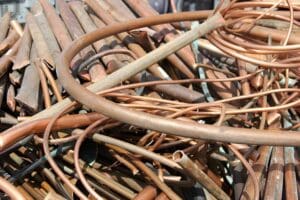
Copper recycling includes a wide range of materials, such as:
- Clean copper wire
- Insulated cable
- Copper pipes and fittings
- Mixed copper scrap
Why Choose a Specialist Copper Recycler
Copper value depends on proper handling and accurate grading. Specialist recyclers ensure materials are processed correctly and transparently.
At Austick, we focus on:
- Fair and accurate assessments
- Compliance with regulations
- Responsible processing practices
- Clear communication
Copper Recycling and the Australian Economy
Recycling copper supports local employment, reduces reliance on imports, and keeps valuable resources circulating.
It also contributes to:
- Waste reduction targets
- Infrastructure development
- Cleaner energy transitions
Copper recycling is both an environmental and economic asset.
Conclusion
Copper recycling now delivers far more than waste reduction. It supports energy transition, strengthens supply chains, and provides consistent commercial returns driven by the ongoing scrap copper price. As demand continues to grow, recycled copper will remain essential to the industrial future. If you have surplus copper or want a reliable recycling partner, contact us today to turn unused material into lasting value.
FAQs:
Why is copper recycling so valuable?
Copper can be recycled repeatedly without losing quality, making it highly valuable and in constant demand.
What types of copper can be recycled?
Most copper products, including wiring, pipes, and fittings, can be recycled.
Does recycling copper reduce environmental impact?
Yes. Recycling uses far less energy and produces fewer emissions than mining new copper.
Is copper recycling profitable?
Copper holds strong scrap value, making recycling financially worthwhile for many industries.
How is copper priced for recycling?
Pricing depends on market rates, copper grade, and material condition.
Can businesses recycle copper in bulk?
Yes. Commercial and industrial recycling options are available.