That gold coloured fitting sitting in your shed might be worth considerably more than scrap. At Austick, we see brass overlooked every single week, mistaken for junk or lumped in with mixed metal. This guide breaks down what brass actually is, why it holds real value, and how to get the most from it before you sell.
Key Takeaways
- Brass is a copper and zinc alloy, not a low value scrap metal
- Clean, sorted brass earns noticeably more than mixed loads
- Colour and sound are quick ways to tell brass from other metals
- Prices shift with copper markets, so timing your sale matters
- A trusted recycler gives you a fair weight based price on the spot
What Brass Actually Is, and Why It Gets Overlooked
Brass often gets tossed in with general scrap because it looks similar to other yellow toned metals at a glance. In reality, it is an alloy of copper and zinc, usually sitting around two thirds copper to one third zinc, and that copper content is exactly why it holds solid value in the scrap trade. Confusing it with cheaper metals like plated steel or aluminium is one of the easiest ways to lose money on a sale.
You will find brass hiding in more places than most people expect.
- Tap fittings, valves and plumbing fixtures
- Door handles, hinges and window fittings
- Ammunition casings and gunmetal components
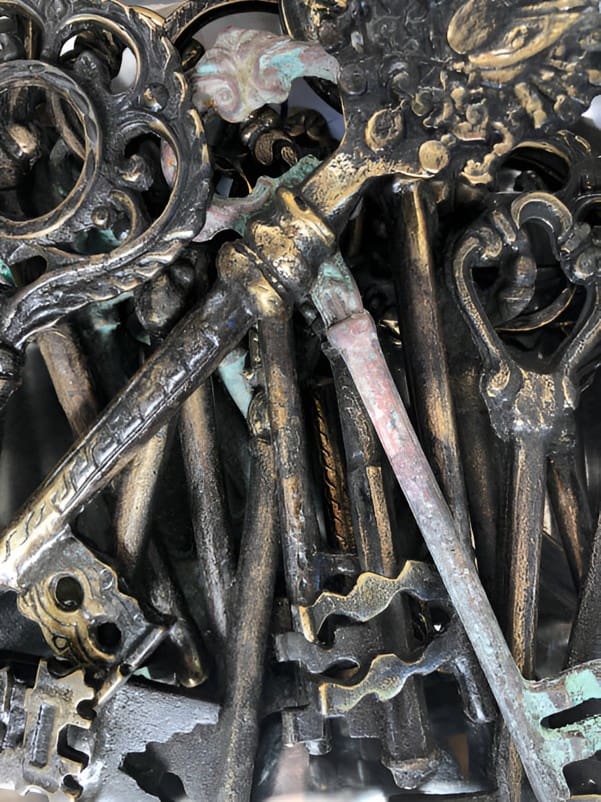
- Old instruments, ornaments and decorative fixtures
- Electrical connectors and switchgear parts
Quick Ways to Tell Brass From Other Metals
A few simple checks help separate genuine brass from look alike metals. Brass typically produces a mellow, rounded sound when struck, rather than the sharper ring you get from steel. It also develops a dark brown patina as it corrodes, quite different from the vivid green that forms on ageing copper. If a magnet sticks to the item, it almost certainly is not brass, since brass is non magnetic like most non ferrous metals.
Preparation Makes a Real Difference to Your Payout
Getting a fair price for scrap brass depends heavily on preparation. According to the Australian Council of Recycling, metals remain the best performing category in the country’s recycling system, and non ferrous metals like brass and copper consistently achieve strong resource recovery outcomes because of how efficiently they can be reprocessed without losing quality.
A few habits make a genuine difference to your payout.
- Sort brass separately from copper, aluminium and steel
- Remove attached plastic, rubber or painted components where practical
- Keep different grades, such as clean fittings versus turnings, apart
- Bring a reasonable volume together rather than trickling in small amounts
Research from the University of Queensland on Australia’s circular economy for metals highlights just how valuable copper bearing alloys like brass are within the country’s broader resource recovery efforts, noting that non ferrous metals retain their properties through repeated recycling cycles far better than many other material categories.
Why Brass Prices Move With the Copper Market
Brass pricing tracks the broader copper market closely, since zinc content aside, copper remains the dominant driver of value. Coverage from Switzer Daily on rising copper prices notes that copper has approached record highs in recent times, a trend that flows through directly to what recyclers can afford to pay for copper bearing alloys such as brass.
That same price surge has an unfortunate flip side worth being aware of. Reporting from Yahoo News Australia found that metal theft now costs the country more than one hundred million dollars every year, with copper and copper alloy fittings among the most frequently targeted materials, which is exactly why reputable recyclers like Austick follow strict identification and record keeping processes for every transaction.
The Bigger Picture for Metal Recycling in Australia
Industry data reinforces the bigger picture. According to Waste Management Review, Australia’s overall resource recovery rate has climbed to 66 per cent nationally, with metals achieving close to 90 per cent recovery, making them the standout performer across every waste category tracked. That is a strong argument for making sure your brass ends up with a proper recycler rather than in a general waste bin.
Academic research examined copper and zinc flows, the very elements that make up brass, and found that even with improved recycling rates, the country still relies heavily on the global resource network to achieve genuine circularity, underlining just how valuable every kilo of correctly recycled brass truly is.
Industry commentary also points out that elevated prices are influencing material choices across construction and plumbing, which in turn affects how much recoverable brass and copper enters the scrap stream at any given time.
Get More From Your Next Load
If you’re bringing in a mixed load of scrap metal, taking the time to sort and prepare your materials can significantly improve your return. Separating brass from other metals and removing unnecessary contaminants makes processing easier and may help you receive a better price. Many of the practical sorting techniques used for getting more cash from your scrap copper also apply to brass, helping you maximise the value of every load. You can also check our current brass scrap prices before bringing a load in.
Conclusion
Brass is not junk, it is a genuinely valuable alloy that rewards a bit of care before you sell. Sorting it properly, understanding what drives its price, and working with a trusted recycler all add up to a better return. Ready to find out what your brass is really worth? Get in touch with us today for a fair, weight based quote.
FAQs:
How can I tell if metal is brass or copper?
Brass has a yellow gold colour, while copper is reddish brown, and brass sounds duller when struck.
Why is brass worth less than pure copper?
Brass contains zinc alongside copper, so its overall metal value sits lower than pure copper by weight.
Do I need to clean brass before recycling it?
Removing plastic, rubber or paint helps, since cleaner loads typically earn a better price per kilo.
Does the price of brass change often?
Yes, brass prices shift with copper and zinc markets, so it pays to check current rates before selling.
Can I recycle brass ammunition casings?
Yes, brass casings are commonly recycled, though check any local regulations before collecting or transporting them.
Where can I recycle scrap brass in Sydney?
Austick accepts scrap brass across Greater Sydney and NSW, with free pickup for eligible loads.