Scrap copper is one of the most rewarding materials you can recycle, but the price you receive depends on more than weight alone. At Austick, we help tradies, builders and homeowners across NSW turn their offcuts into fair returns. This guide explains how grading, cleaning, sorting, timing and choosing the right recycler can make a clear difference to your final payment.
Key Takeaways
- Clean, sorted copper always earns more than mixed loads.
- Knowing your grade helps you understand every quote.
- Hidden copper in old units adds up quickly.
- Prices follow global markets, so timing matters.
- A registered recycler protects both your value and your records.
Why Copper Holds Its Value
Copper sits inside almost everything that carries power or water. According to Geoscience Australia’s copper facts, a typical Australian home contains more than 90 kilograms of it through wiring, plumbing and appliances. That is a lot of valuable metal waiting for its next life.
Demand is also growing. The International Copper Association Australia weekly brief points to decarbonisation, grid upgrades, renewable energy and AI data centres as the main forces keeping copper in demand. Data centres alone are predicted to use up to 11 per cent of Australia’s electricity by 2035, as Electronics Online reports, and every one of them relies heavily on copper.
Prices have responded. API Magazine noted that copper reached about US$13,000 per tonne earlier in 2026, a jump that is already lifting building costs. Local supply is tight too. The Strategist explains that Mount Isa runs one of only two copper smelters left in Australia, which makes recycled copper even more important.
Know Your Grade Before You Sell
Recyclers do not pay one flat rate for all copper. The grade decides the price, so it helps to know what you have. Common categories include:
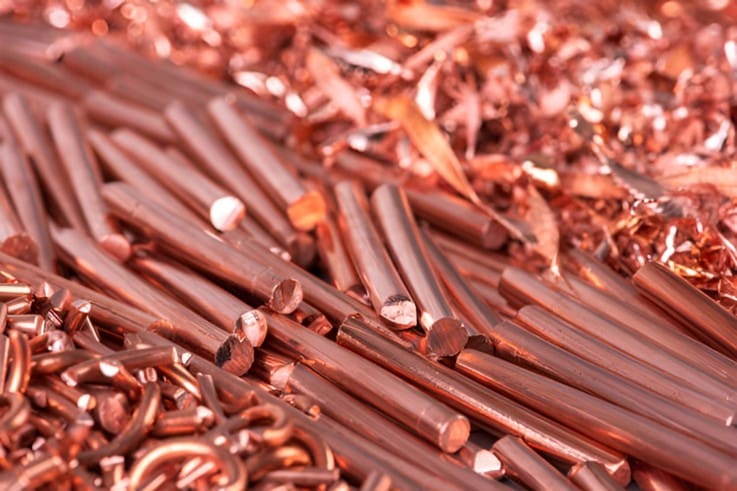
- Bright Copper: Clean, bare, shiny wire with no coating or tarnish. This earns the top rate.
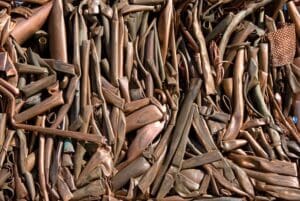
- Clean Copper Pipe: Pipe and tube without solder, paint or fittings attached.
- Mixed Copper: Pipe with solder joints, light paint or small attachments.
- Insulated Wire: Cable still in its plastic jacket, priced on its copper yield.
- Copper Bearing Items: Motors, compressors and coils that contain copper alongside steel.
If you are holding old plumbing, these old copper pipes could be worth more than you think.
Clean and Sort for a Higher Return
Sorting is the simplest way to lift your payment. A mixed bin is usually graded at the level of its lowest item. A few small steps can change that:
- Keep bright wire, pipe and insulated cable in separate containers.
- Cut off brass fittings, steel clamps and screws where possible.
- Remove tape, rubber and excess solder.
- Store copper dry and away from dirt, oil and paint.
Clean separation also helps the wider recycling chain. Research in the Journal of Sustainable Metallurgy, led by Australian researchers, found that stray copper wiring is one of the main contaminants that lowers the quality of recycled steel. Keeping copper out of steel scrap protects both metals.
Look for Hidden Copper
Many people overlook copper that is sitting in plain sight. Good places to check include:
- Old split system and ducted air conditioners.
- Hot water systems and heat exchangers.
- Electric motors, pumps and transformers.
- Offcuts left over from electrical and plumbing jobs.
Old cooling units are a great example. Their coils and pipework hold a good amount of copper, and air conditioner recycling service at Austick makes removal simple.
The opportunity is large. A study published in Resources by University of Queensland researchers found that waste metal generated in Australia equals roughly half of the country’s metal consumption. Much of that value is still waiting to be captured.
Even electronics carry copper. The Australian Circular Economy Hub reports that a Western Sydney facility can recover up to 1,000 tonnes of copper a year from circuit board waste. Startup Daily also covered a Western Australian company recovering copper and other metals from used batteries, with a plant planned for the Hunter region. Batteries and electronics need specialist handling, so always ask before including them.
Time Your Sale Wisely
Scrap prices move with the international copper market. They can shift within days due to exchange rates, supply issues and demand overseas.
A few sensible habits help:
- Ask for a current quote before you load up.
- Build a worthwhile volume, but avoid holding stock for years.
- Watch for strong market periods if you have a large load.
- Remember that storage space and time also have a cost.
Choose a Registered, Transparent Recycler
Where you sell matters as much as what you sell. In NSW, the Scrap Metal Industry Act 2016 bans cash payments and requires dealers to record seller details and weights. These rules protect honest sellers and make every sale traceable.
They exist for good reason. The Conversation reports that copper theft is hitting building sites, street lights and even phone networks. In one Victorian case covered by The National Tribune, police closed a scrap business after it allegedly received more than $260,000 in stolen goods.
When comparing recyclers, look for:
- Certified scales and weighing done in front of you.
- Clear explanations of how each item is graded.
- Electronic payment with proper records.
- Identification checks on every transaction.
- Convenient pickup for larger or regular loads.
Make Collection Work for You
For busy tradies, the cost of delivering scrap can quietly eat into its value. Driving across town with a half full ute rarely makes sense. A scheduled pickup lets you keep working while your copper is collected, weighed and paid for.
It also helps to set up a simple routine on site. Keep a labelled bin for each grade, empty it when it fills and book a collection once you have a worthwhile load. Over a year, that small habit can add up to a meaningful return.
Conclusion
Getting the best value for scrap copper comes down to a few simple habits. Know your grade, sort and clean your material, look for hidden copper and sell through a registered recycler when prices suit you. Small changes can lead to noticeably better returns. If you have copper ready to go, contact us today for a fair quote, accurate weighing and convenient pickup across NSW.
FAQs:
How do I get the most money for scrap copper?
Separate copper by grade, remove fittings and insulation where practical, and sell through a registered recycler with certified scales.
What type of scrap copper is worth the most?
Bright, bare copper wire with no coating or tarnish usually earns the highest price at recycling yards.
Is it better to sell copper pipe with fittings attached?
Removing brass fittings and solder usually improves the grade, giving you a better price per kilo for clean pipe.
Why do scrap copper prices change so often?
Local scrap prices follow global copper markets, which shift daily with demand, supply problems and currency movements.
Can scrap yards pay cash for copper in NSW?
No. NSW law bans cash payments for scrap metal, so recyclers pay electronically and keep records of each sale.
Where can I find hidden scrap copper at home?
Old air conditioners, hot water systems, electric motors, extension leads and leftover plumbing offcuts often contain copper.