Scrap metal holds strong recycling potential when prepared with care, and the steps taken beforehand can influence both safety and value. Many households and worksites handle materials that benefit from proper sorting and cleaning. At Austick, clients often seek clarity on how to manage scrap in a structured, efficient manner. Understanding the do’s and don’ts helps ensure smoother processing and responsible recycling outcomes.
Table of Contents
Key Takeaways
- Clean metal brings better value
- Sorting metals reduces processing time
- Remove hazardous materials
- Avoid mixing different grades
- Follow the correct safety steps
Why Preparing Scrap Metal Matters?
Scrap metal recycling supports Australia’s circular economy and helps reduce pressure on natural resources. The Australian Bureau of Statistics reports a steady rise in recovered materials each year, demonstrating the importance of correct recycling behaviour. Metals such as copper, aluminium, brass, and steel can retain value indefinitely when processed responsibly. Proper preparation also improves safety on-site, reduces contamination, and allows recyclers to classify each material with greater accuracy. These steps contribute to better pricing outcomes and smoother yard operations.
Key benefits of correct preparation include:
- Faster processing at the recycling yard
- Safer loading and transportation
- Reduced contamination in mixed loads
- More accurate grading and valuation
- Better long-term sustainability outcomes
Types of Scrap Metal You Can Recycle
Scrap metal generally falls into two main categories:
Ferrous Metals
- Contain iron
- Magnetic
- Often used in household appliances, tools, car parts, and building materials
Examples: Steel, cast iron
Non-Ferrous Metals
- Don’t contain iron
- Non-magnetic
- More valuable per kilo
Examples: Copper, aluminium, brass, lead, stainless steel
Knowing the difference helps you sort your load and understand the value of your scrap.
Do’s: How to Prepare Scrap Metal Properly
Following the right steps can help you make the recycling process easier, safer, and more profitable.
1. Do Sort Your Scrap by Type
Sorting your scrap before heading to the recycler not only speeds up the process but can also improve your payout, as mixed loads are often valued lower.
Sort into categories such as:
- Copper
- Brass
- Aluminium
- Stainless steel
- Steel
- Car batteries
- E-waste metals
Use magnets to quickly identify ferrous vs non-ferrous metals.
2. Do Remove Non-Metal Attachments
Scrap with unnecessary attachments is harder to process and sometimes rejected. Removing excess materials improves the quality of your load.
Remove items such as:
- Rubber (hoses, seals, tyres)
- Plastic casings
- Wood
- Foam or insulation
- Fabric and straps
While small bits are acceptable, large contaminants can reduce the value or require the recycler to charge handling fees.
3. Do Clean Off Excess Dirt or Fluids
Metal doesn’t need to be spotless, but heavy contamination or hazardous residues can cause problems.
Clean by:
- Wiping off oil
- Emptying fuel tanks or containers
- Removing wet soil or sand
- Letting items dry before transport
This ensures safer handling and better-quality recycling outcomes.
4. Do Cut Down Large Items (When Safe to Do So)
Large metal pieces take up unnecessary space and can be difficult for recycling centres to manage.
Cut oversized items like:
- Long pipes
- Metal sheets
- Fencing
- Copper tubing
Only cut metal using proper tools, and always wear protective equipment. If unsure, leave it to professionals.
5. Do Check for Hazardous Items
Some scrap contains chemicals or materials that require special handling.
Look out for:
- Gas bottles
- Fire extinguishers
- Fuel tanks
- Pressurised cylinders
- Refrigerators (contain gases and refrigerants)
Contact your local recycler to ask how to prepare or drop off these items safely.
Don’ts: Common Mistakes to Avoid
Avoiding these errors can save you time and prevent dangerous or costly complications.
1. Don’t Mix Metals
Mixed loads often receive a lower price because recyclers must sort them manually. Keeping metals separate helps you get paid accurately for each type.
2. Don’t Leave Batteries in Devices
Car batteries and smaller electronic batteries must be separated from appliances or scrap. They contain chemicals that require special recycling.
3. Don’t Bring Sealed Containers
Pressurised or sealed items can explode when crushed, posing a major safety risk.
Avoid bringing:
- Gas cylinders
- Aerosol cans
- Air tanks
Unless the recycler accepts them separately, keep them out of your general scrap load.
4. Don’t Burn Scrap Metal
Some people attempt to burn scrap to remove plastic or insulation. This is illegal in many Australian states and harmful to the environment.
Instead, strip insulation or remove casings using tools, never fire.
5. Don’t Ignore Sharp Edges or Dangerous Items
Always handle scrap carefully. Jagged or rusted metal can cause cuts, infections, or serious injuries.
Wear:
- Gloves
- Long sleeves
- Closed shoes or boots
Transport items securely to avoid hazards.
Extra Tips for Better Scrap Recycling
- Use strong containers or crates for smaller pieces like nails, screws, or copper wire.
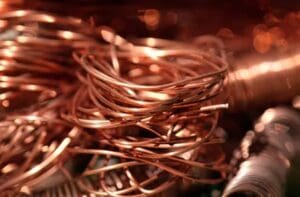
- Strip copper wiring to increase its value, bare bright copper is worth significantly more.
- Keep metal dry to prevent rust, especially steel.
- Call ahead to check pricing and accepted items.
- Weigh your load at home if you want an estimate of what you’ll earn.
- Recycle regularly to avoid large, overwhelming piles of scrap.
How to Sort Metal for Better Pricing?
Correct classification helps recyclers assess metals quickly and offer accurate rates.
Sorting suggestions:
- Separate ferrous from non-ferrous metals
- Use a magnet (ferrous metals attract)
- Group wires by thickness
- Identify plated vs pure metal
- Remove screws, bolts, and attachments
Well-organised loads speed up processing and protect material value.
Preparing Scrap for Collection or Drop-Off
Many recyclers offer collection services for large quantities.
Before collection or delivery:
- Confirm acceptable materials
- Secure metal in bins or containers
- Avoid overloading vehicles
- Keep aisles clear for safe access
- Label sorted metals if possible
Austick supports organised delivery so clients receive accurate evaluations without delays.
Environmental Benefits of Proper Scrap Preparation
Australia’s recycling sector helps reduce landfill and conserve natural resources. Metal recycling lowers greenhouse gas emissions and reduces the need for new mining. Reusing metals reduces environmental pressure and energy consumption. Preparing scrap properly supports these benefits and contributes to long-term sustainability.
Conclusion
Correct preparation helps you receive fair pricing, safer handling, and a smoother recycling process. Sorting, cleaning, and organising materials ensures that metals are assessed accurately and processed efficiently. For dependable scrap metal recycling service, clear communication, and competitive metal pricing, contact us today and speak with our team about your scrap metal needs.
FAQs:
Do I need to clean metal before recycling?
Cleaning is not required, but it can improve grading and value.
Can I bring mixed metals?
You can, but sorting beforehand helps ensure better pricing.
What metals are most valuable?
Copper, brass, and aluminium typically hold strong market value.
Are there items I cannot bring?
Yes. Gas bottles, batteries, and hazardous materials require special handling.
How do I know if a metal is ferrous or non-ferrous?
A magnet can identify ferrous metals. Non-ferrous metals will not attract.
Does the wire need to be stripped?
Not always. Insulated wire is accepted, but clean copper receives a higher value.