Scrap metal demand in Australia is not declining. It is deepening and shifting in ways that directly affect the prices tradespeople and businesses receive when they sell their scrap. Construction, clean energy, electric vehicles, and data centre expansion are all pulling on the same metals. At Austick, here is what the data actually shows about where scrap metal markets are heading.
Table of Contents
Key Takeaways
- Australia’s metal recycling market is growing strongly: Valued at USD $5.27 billion in 2025, the market is projected to reach USD $7.35 billion by 2034, driven by construction, infrastructure, and clean energy demand.
- Metals lead all materials in Australian recycling: In 2022-23, metals achieved an 89.9 per cent resource recovery rate, the highest of any material category in the country.
- Non-ferrous metals are growing faster than steel: Copper, aluminium, and brass are seeing accelerating demand from electric vehicles, renewable energy installations, and digital infrastructure.
- Construction is the largest end-use sector for recycled metals: Construction accounted for 36 per cent of total recycled metal usage in Australia in 2025, driven by infrastructure investment across NSW and nationally.
- Policy is locking in demand permanently: Australia’s target of an 80 per cent national resource recovery rate by 2030 is creating sustained structural demand for metal recycling services.
The Market Is Bigger Than Most People Realise
Australia’s scrap metal recycling market is a major industry in its own right. The total market was valued at USD $5.27 billion in 2025, according to analysis, and is forecast to reach USD $7.35 billion by 2034, growing at approximately 3.78 per cent annually. That growth rate is steady and structural, not speculative.
The drivers are not complicated. Australia generates enormous quantities of scrap metal from construction and demolition, industrial and commercial operations, and end-of-life products. At the same time, demand for recycled metals across multiple end-use sectors is growing continuously. The result is a market that rewards quality, consistency, and good timing for everyone who brings material to a recycling facility.
Construction leads the market with a 36 per cent share in 2025. Steel dominates by volume at 48 per cent of the total, but non-ferrous metals like copper and aluminium are growing faster due to clean energy and electrification demand.
Metals Are Australia’s Recycling Success Story
Not all recyclable materials are equal. While Australia’s overall resource recovery rate sits at around 66 per cent, metals perform dramatically better. According to national data released by the Department of Climate Change, Energy, the Environment and Water (DCCEEW), metals achieved an 89.9 per cent resource recovery rate in 2022-23, making them the most successfully recycled material category in the country.
The data, analysed and reported by Waste Management Review on what it means for Australia’s circular economy goals, confirms that construction and demolition streams achieved a 95 per cent metal recovery rate, while commercial and industrial streams reached 93 per cent. If all states and territories matched South Australia’s leading rate of 95.6 per cent, an additional 344,603 tonnes of metal would be recovered nationally in a single year.
That gap represents real value sitting uncaptured. For electricians, plumbers, and construction businesses in NSW, it also represents an opportunity. Every load of copper cable, brass fittings, or aluminium offcuts that reaches a professional recycler rather than a skip or a landfill contributes to a system that is performing strongly and is set to grow further.
The underlying data comes directly from DCCEEW’s National Waste and Resource Recovery analysis for 2024, which shows metals generating 6 million tonnes of waste in 2022-23, with a recovery rate unchanged from 2016-17 at 90 per cent, even as overall waste generation increased significantly over that period.
The Clean Energy Transition Is Adding New Volume
One of the most significant changes in scrap metal demand is coming from outside the construction sector entirely. Renewable energy installations, electric vehicle infrastructure, and digital data centres are creating new categories of metal demand that did not exist at meaningful scale just a few years ago.
Copper is essential for wiring, transformers, inverters, EV motors, and charging stations. Aluminium is used extensively in solar panel frames and battery housings. Nickel and cobalt are recovering from end-of-life batteries. Each of these creates both new demand for recycled metals and new supply of scrap as installations are eventually decommissioned or upgraded.
The clean energy transition is therefore a double benefit for the scrap industry. It drives demand for recycled metals in construction of new renewable energy infrastructure. And as older fossil fuel infrastructure is retired and as first-generation solar, wind, and battery installations eventually reach end of life, it will generate significant new scrap supply.
What this means for the types of scrap being sought in 2026:
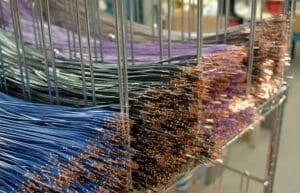
- Bare Copper Wire and Cable: Consistently the highest-value grade at scrap yards due to its direct application in electrical infrastructure.
- Aluminium Extrusion and Sheet: Strong demand from solar manufacturing, building facades, and transport sectors is keeping aluminium values elevated.
- Brass Fittings and Valves: Particularly sought by plumbing and HVAC recyclers due to the consistent quality and ease of processing.
- Air Conditioning Components: As households and commercial buildings upgrade to more efficient cooling systems, older air conditioning units contain meaningful quantities of both copper and aluminium.
Air conditioning recycling service at Austick has been developed specifically to handle the copper and aluminium components within air conditioning units, ensuring trade customers who regularly replace or decommission air con systems get the full value from that material.
Electric Arc Furnace Technology Is Changing Demand for Steel Scrap
A structural change in the steel industry is also reshaping scrap demand. Globally, and increasingly in Australia, steelmakers are transitioning from traditional blast furnace methods to electric arc furnace (EAF) technology. EAF steelmaking uses scrap metal as its primary feedstock rather than iron ore, which dramatically reduces carbon emissions per tonne of steel produced.
As Australian Steel’s scrap metal analysis for 2025 details, steel scrap is becoming central to the decarbonisation pathway for the steel industry globally, given that steelmaking currently accounts for about 7 per cent of global greenhouse gas emissions. The transition from basic oxygen furnaces to EAF technology will increase demand for high-quality scrap as a direct input.
In July 2025, Sims Limited announced a memorandum of understanding with Equest Steel to supply up to 550,000 tonnes of ferrous scrap annually to support a planned EAF facility in Pinkenba, Queensland, scheduled for completion in 2028. This scale of domestic scrap-to-steel supply chain development reflects the seriousness of Australia’s commitment to lower-emission steelmaking.
The Long-Term View: Scrap Has Real Economic Value
The value of metals in end-of-life products in Australia exceeds AUD $6 billion per year. At existing recovery rates, approximately AUD $2 billion of that value is actually captured. The remaining potential sits in unrecovered material that ends up in landfills, exported without processing, or simply stored indefinitely in sheds and yards.
For tradespeople and construction businesses across NSW, that gap between captured and uncaptured value is the most relevant fact in this entire picture. Every kilogram of copper, aluminium, or brass that is properly sorted and brought to a professional recycler is contributing to the captured side of that equation.
Conclusion
The truth about scrap metal demand in 2026 is that it is strong, diversified, and supported by long-term structural forces that are not going away. Construction, clean energy, electrification, and decarbonisation are all pulling in the same direction. If you are generating scrap across Sydney and NSW, now is a good time to ensure it is being managed by a recycler that offers competitive prices and reliable service. Contact us for a pickup or quote, and make sure your scrap is working as hard as the market will allow.
FAQs:
Is scrap metal demand increasing in Australia in 2026?
Yes. Australia’s metal recycling market is projected to grow from USD $5.27 billion in 2025 to $7.35 billion by 2034 at 3.78% annually.
Which metals are most in demand from scrap recyclers in 2026?
Copper and aluminium are the fastest-growing segments due to electric vehicles, solar energy, and data centre construction demand.
What is Australia’s metal recovery rate?
Metals achieved an 89.9 per cent resource recovery rate in 2022-23, the highest of any material category nationally, according to DCCEEW.
Why are electric arc furnaces important for scrap metal demand?
EAF steelmaking uses scrap metal as its primary feedstock instead of iron ore, significantly reducing emissions and increasing scrap demand.
Does the clean energy transition affect scrap copper prices?
Yes. Solar panels, wind turbines, EVs, and data centres all use copper, increasing demand for recycled copper and pushing prices higher over time.
How should I prepare my scrap metal to get the best price?
Separate different metals, strip insulation from copper wire where practical, and remove non-metal attachments before selling to a recycler.