Every electrical job leaves something behind. Short cable lengths, stripped ends, old wiring and earth wire offcuts can quickly fill a ute tray or workshop bin. Many electricians throw much of it away without realising its value. At Austick, we help tradespeople across Sydney and the Illawarra turn copper offcuts into real income. Here is how to get more from every job.
Key Takeaways
- Copper offcuts can add up to a steady extra income stream.
- Separating copper by grade is the easiest way to boost value.
- Bare copper earns far more than insulated cable.
- Simple onsite systems make sorting quick and consistent.
- Always confirm who owns the scrap before selling it.
Why Copper Offcuts Are Worth Collecting
Copper is one of the most valuable metals a tradesperson handles. Even small offcuts carry real value once they are collected in volume.
The scale of electrical work in Australia means a lot of copper passes through the industry. As The Nightly reported, around 170,000 electricians currently work in Australia, and a report found the country will need almost 100,000 more skilled electrical workers by 2050.
Demand for electrical work keeps rising with renewable energy and electrification. The Minister for Skills and Training noted that around 85,000 more electricians are expected to be needed by 2050, according to Jobs and Skills Australia. More work means more cable, and more cable means more offcuts.
Copper value is also clear in the market. The Bunbury Mail reported that copper is among the most sought after scrap metals and can fetch more than $10 per kilogram.
Common Copper Offcuts Electricians Produce
Most electrical jobs generate several types of copper scrap. Knowing what you have is the first step to getting paid properly.
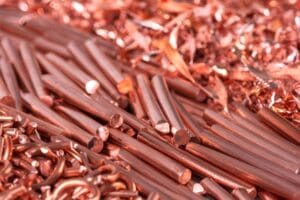
- Bare Earth Wire Offcuts: Clean, unstripped bare copper that needs no processing
- Stripped Conductor Ends: Bright copper from terminations and joins
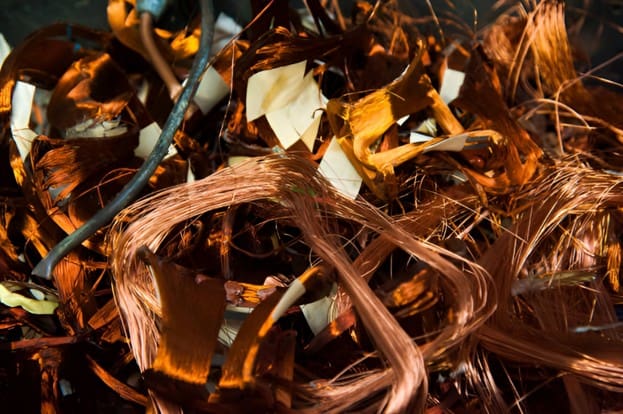
- TPS and Building Wire Offcuts: Insulated cable leftover from installations
- Heavy Power Cable: Thick cable from switchboards and submains
- Busbars and Copper Lugs: Solid copper pieces from switchboard work
- Old Wiring From Rewires: Older cable removed during upgrades
- Motors and Transformers: Copper windings encased in steel
Each type is graded differently, so mixing them together often lowers your overall return.
Sort Copper by Grade on Every Job
Sorting is the single most effective way to increase your payout. When bare copper is mixed with insulated wire, the whole load may be paid at the lower rate.
A simple sorting system might include separate containers for:
- Bare bright copper and stripped ends
- Insulated building wire and TPS
- Heavy power cable
- Busbars, lugs and solid copper pieces
- Mixed items such as motors and old switchgear
Keep other metals and materials out too. Brass glands, steel saddles and aluminium cable belong in their own bins. Separation matters so much.
Plastics can often be recycled as well. TAFE Queensland reported that its Acacia Ridge campus collects used PVC conduit from electrical apprentice training so it can be broken down and remanufactured. Keeping conduit separate from copper helps both streams.
Should You Strip Your Copper Wire?
Stripping insulated wire can raise its value, because bare copper attracts a much higher price. But it is not always worth the time.
- Thick Cable: Often worth stripping, as there is a high proportion of copper inside
- Thin Wire: Usually not worth the labour, so sell it as insulated cable
- Time Cost: Compare your hourly rate with the extra value you gain
Safety comes first. Only strip cable that has been fully disconnected and confirmed dead. Electrical safety remains a serious concern in the trade. An Electrical Trades Union survey found that 13.5 percent of apprentices had received an electric shock at work.
Build Simple Systems Into Your Workflow
The electricians who earn the most from scrap usually have a routine. A few simple habits make collection effortless.
- Keep labelled bins or tubs in your van or ute
- Place sorting bins near the cutting area on larger sites
- Clear bins into bulk storage at the workshop weekly
- Keep copper dry and free of dirt, tape and debris
- Record weights and dates for your own bookkeeping
Reducing waste on site also benefits your clients and builders. The Green Building Council of Australia warns that Australia could waste up to $64 billion in construction materials over five years, with the average project wasting 141 kg of material per square metre.
Know Who Owns the Copper
Before selling any offcuts, confirm they belong to you or your business. On many projects, materials are supplied and paid for by the builder or client. Leftover cable may remain their property.
Getting this wrong can have serious consequences. The Bunbury Mail reported that three building contractors were charged over the alleged theft of more than $1 million in copper from Sydney construction sites.
To stay on the right side of the rules:
- Clarify scrap ownership in your quotes or contracts
- Keep supplier invoices for cable you purchase
- Sell only to licensed, reputable recyclers
- Expect to show identification when selling, as NSW law requires dealers to keep records
Why Recycling Copper Matters
Recycling copper keeps a valuable resource in use and out of landfill. Construction waste remains a major challenge across Australia.
Research from RMIT University, published in Sustainable Production and Consumption, identified 58 barriers and 73 opportunities for reducing construction and demolition waste disposal in Australia. Earlier research available through Western Sydney University found that construction and demolition waste made up about 68 percent of all solid waste generated each year in South East Queensland.
New technology may help in future. The publication of Engineers Australia, reported on Monash University research using deep learning to identify materials such as metal, timber and plastic in skip bins.
Make Bulk Collection Easy
Once your copper adds up, regular drop offs or a pickup service can save time. Larger electrical contractors often schedule regular collections from their yard or site.
At Austick, scrap metal recycling service handles copper, brass, aluminium and other metals, with pickups available across Sydney, Wollongong and Newcastle.
Conclusion
Copper offcuts are one of the easiest ways for electricians to add value to every job. Sort by grade, keep copper clean, strip only when it pays and always confirm ownership. With a simple system, small offcuts can become a reliable source of extra income. Ready to cash in your copper? Contact us today to arrange a quote or pickup.
FAQs:
Is it worth recycling small copper wire offcuts?
Yes. Small offcuts add up quickly, and collecting them over time can produce a worthwhile return from recycling.
Should electricians strip copper wire before selling?
Stripping thick cable often pays, but thin wire usually takes too long to strip compared with the extra value.
What copper scrap do electricians produce most?
Common items include insulated cable offcuts, bare earth wire, stripped ends, busbars, lugs and old wiring from rewires.
Do I need ID to sell scrap copper in NSW?
Yes. Scrap metal dealers must keep seller records, so bring valid photo identification when selling copper.
Who owns leftover cable on a building site?
It depends on the contract. Materials supplied by the builder or client may remain their property after the job.
How should copper offcuts be stored?
Store copper dry and sorted by grade in labelled containers, kept free of dirt, tape and other metals.