Those dusty copper pipes in your shed or job site skip may be quietly holding real value. At Austick, we see tradies and homeowners across Sydney turn old plumbing offcuts into cash every day. With copper prices near record highs, that scrap heap could be worth far more than you expect. Here is why it pays to look twice.
Table of Contents
Key Takeaways
- Old copper pipes carry strong scrap value in Australia.
- Clean, bare copper earns far more than insulated offcuts.
- Copper prices sit near record highs right now.
- Recycling copper saves energy and keeps waste from landfill.
Why Copper Holds Its Value
Copper is one of the few materials that never wears out. It can be melted and reused again and again without losing quality. The International Copper Association Australia notes that around two-thirds of all copper ever mined is still in use today, which shows just how durable and reusable this metal really is.
Demand is climbing too. Research from CSIRO explains that Australia holds roughly 10 per cent of the world’s copper resources, yet global demand is set to keep rising as the country moves towards cleaner energy. That growing appetite for copper keeps scrap prices firm.
What Your Old Pipes Might Be Worth
Copper scrap is priced by weight and grade, and it tracks the global market closely. Prices have surged over the past year. Industry reporting shows the London Metal Exchange copper price breaking record levels above US$13,000 a tonne, driven by tight supply and strong demand. When the world price rises, so does the value of your scrap.
A few things decide how much your pipes fetch:
- Grade: Clean, bare copper earns the top rate.
- Weight: Heavier loads bring a better overall return.
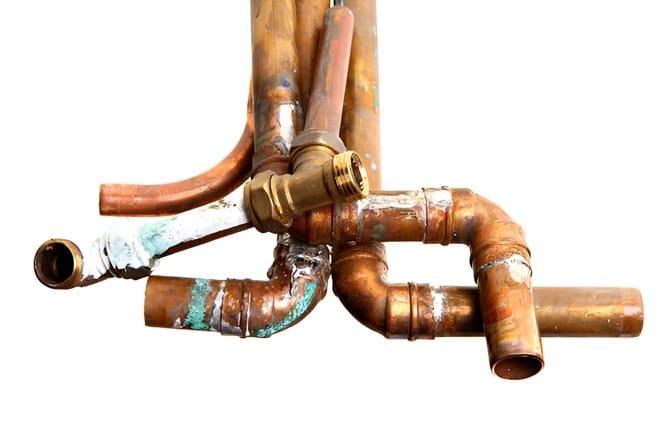
- Condition: Paint, solder, or fittings can lower the value.
You can see current scrap copper rates at Austick.
Bare Pipe Beats Insulated Every Time
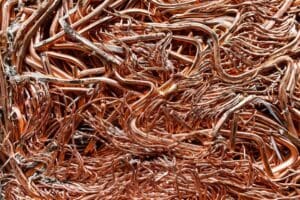
Not all copper is equal. Bright, bare piping sits at the top of the price list, while pipes coated in paint or joined with brass fittings drop a grade. If you are unsure what you are holding, tips to identify high-value copper instantly can help you sort the good from the average before pickup.
Good for Your Wallet and the Planet
Recycling copper is not only profitable, it is genuinely kind to the environment. Recycling scrap copper uses far less energy than mining new ore. Research published by CSIRO Publications reports typical energy savings of around 84 per cent for copper recycling compared with primary production, which means fewer emissions for every tonne reused.
It also keeps valuable material out of the ground and out of the tip. Sustainability data from RMIT University highlights how lifting recycling rates supports Australia’s shift to a circular economy, where materials are reused rather than discarded. Every pipe you recycle plays a small part in that bigger picture.
Where to Find Copper Around the Home
Copper turns up in more places than most people realise. Before your next tip run, check for it in these common spots:
- Old plumbing pipes and hot water systems.
- Disused air conditioning and refrigeration units.
- Electrical wiring and cable offcuts.
- Roof flashing, guttering, and downpipes.
Copper is a genuinely strategic metal for Australia. Reporting from The National Tribune describes copper as central to the nation’s net zero future, which is one more reason the scrap in your shed is worth collecting rather than binning.
How to Get the Best Price
A little preparation goes a long way. Australia’s copper industry sits on solid foundations, with Geoscience Australia recording a national copper production value in the billions each year, so there is always strong demand for quality scrap. To make the most of yours:
- Separate bare copper from insulated wire and fittings.
- Remove obvious rubbish, brackets, and non-copper parts.
- Keep grades apart so each is weighed at its true rate.
- Ask for a current quote before you drop off or book a pickup.
A Smart Habit for Tradies and Renovators
If you work in plumbing, electrical, or construction, copper offcuts add up fast across a year. Rather than letting pipe ends and cable scraps vanish into a skip, a simple collection bin on site can quietly build into a worthwhile payout. Many tradies are surprised by how much a full load returns once it is weighed and graded properly.
Renovators benefit too. Stripping out an old bathroom or kitchen often uncovers copper piping that has decades of value left in it. Set it aside, keep it clean, and it becomes cash rather than clutter. The key is to collect steadily and sell in one solid batch, since larger, well-sorted loads are always easier to price fairly.
Conclusion
Those forgotten pipes could be worth far more than a trip to the tip. With prices strong and demand rising, now is a smart time to recycle. Our friendly team offers fair rates, honest grading, and free pickup across Sydney and NSW. Contact us today for a quote and turn your scrap copper into real money.
FAQs:
Are old copper pipes worth money?
Yes. Old copper pipes hold strong scrap value, especially clean, bare copper sold at current market rates.
How much is scrap copper worth in Sydney?
Prices vary by grade and weight, so it is best to request a current quote before selling.
Should I strip copper pipes before selling?
Bare copper earns more than insulated copper, so removing paint, fittings, and other contaminants can increase your overall return.
Why do copper prices keep changing?
Scrap copper prices follow the global market, which shifts daily based on international supply and demand.
Is recycling copper good for the environment?
Yes. Recycling copper uses far less energy than mining new copper and helps keep valuable materials out of landfill.
Where can I recycle copper pipes near me?
Austick offers free pickup and drop-off across Sydney and NSW, with fair pricing for all grades of scrap copper.