Scrap copper continues to hold strong value in Australia, but returns vary widely depending on how the material is prepared, sorted, and sold. At Austick, we work with households, trades, and businesses to ensure copper is valued fairly and responsibly. Understanding how pricing works, what buyers look for, and how market conditions affect value can make a measurable difference to the final payout. This guide outlines practical ways to increase returns without unnecessary effort or risk.
Table of Contents
Key Takeaways
- Clean, sorted copper attracts higher rates
- Market timing influences copper pricing
- Accurate weight and grading protect value
- Trusted recyclers offer transparent pricing
Why Scrap Copper Holds Strong Value
Copper remains one of the most recycled and consistently demanded metals worldwide due to its durability and versatility across multiple industries.
Key factors supporting strong copper value include:
- Widespread use in electrical systems, where copper’s conductivity makes it essential for wiring, power distribution, and communication networks
- Ongoing demand within construction and infrastructure, supporting plumbing, roofing, and structural applications across residential and commercial projects
- Growing reliance on renewable energy and transport sectors, including solar, wind, electric vehicles, and charging infrastructure that require significant copper input
Global copper usage continues to rise as infrastructure development and electrification expand. In Australia, copper recycling plays a key role in meeting sustainability targets and reducing reliance on raw mining operations.
10 Practical Ways to Maximise the Value of Scrap Copper
Scrap copper remains a high-value recyclable material, but returns depend on how it is prepared and presented. Factors such as cleanliness, grading, and market conditions directly influence pricing. Applying practical steps before recycling helps prevent unnecessary value loss. A clear understanding of these factors ensures scrap copper is assessed accurately and fairly.
1. Separate Copper by Grade
Copper pricing depends heavily on material purity. Mixing different grades lowers overall value and can result in automatic downgrading during assessment.
Common copper grades include:
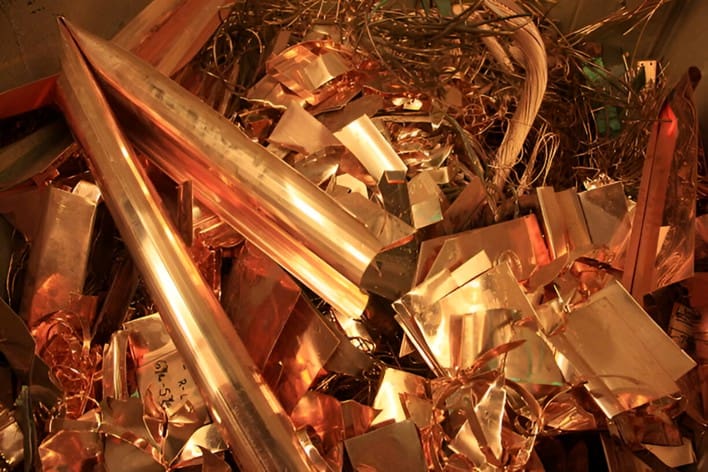
- Bare bright copper, which is free from coatings and contamination and attracts the highest market rates.
- Copper wire, typically insulated or partially stripped, with value determined by copper content and cleanliness.
- Copper tubing, commonly sourced from plumbing systems and assessed based on condition and fittings.
- Mixed or contaminated copper, which contains foreign materials and is priced lower due to additional processing requirements.
Sorting copper before visiting a recycler supports accurate grading. Scrap dealers assess material visually and through conductivity testing to determine the correct classification.
2. Remove Insulation and Contaminants
Insulation, solder, steel fittings, or plastic reduce copper value by increasing processing requirements. Clean material processes more efficiently and attracts higher rates.
Helpful preparation steps:
- Strip wire insulation where safe, improving copper purity while following appropriate safety practices.
- Remove brass fittings from pipes, allowing copper to be graded accurately without contamination.
- Avoid burning insulation, as this damages copper, reduces material quality, and breaches environmental regulations.
Careful preparation helps protect copper grade and final valuation.
3. Keep Copper Dry and Free From Debris
Moisture, soil, oil, or residue can add unnecessary weight while lowering overall grade quality. Contamination is factored into the assessment and may reduce the final valuation.
Storage tips:
- Store copper under cover, protecting the material from rain and environmental exposure that can affect grading.
- Use sealed containers or pallets, preventing contact with dirt, oils, or other contaminants during storage and transport.
- Avoid ground contact where possible, reducing the risk of moisture absorption and surface contamination.
Proper storage supports accurate assessment and protects material value.
4. Monitor Copper Market Prices
Copper prices fluctuate daily due to changes in global supply, energy demand, and currency movements. Selling during stronger market conditions can improve overall returns.
Live copper pricing data can be tracked via:
- London Metal Exchange (LME) provides internationally recognised benchmark pricing and market trends for copper.
- Trading economics offers broader economic indicators and commodity data that help interpret price movements.
- Price awareness supports informed decision-making without relying on speculation or guesswork.
5. Avoid Mixing Copper With Other Metals
Mixed scrap requires additional separation, which reduces processing efficiency and often results in downgraded pricing. Copper combined with aluminium, steel, or brass is commonly assessed at a lower grade.
Use labelled containers for:
- Copper only, ensuring clean material is assessed accurately without contamination from other metals.
- Brass fittings, allowing correct classification and preventing copper loads from being downgraded.
- Electrical scrap, keeping wiring and components separate for appropriate grading and processing.
This approach improves transparency during weighing, grading, and final valuation.
6. Know the Difference Between Weight and Value
Heavier loads do not always result in higher payouts. Clean copper often weighs less but achieves a stronger price per kilogram due to reduced processing requirements.
Key value drivers include:
- Purity outweighs volume, as higher-grade copper attracts better pricing regardless of overall weight.
- Clean copper reduces processing loss, allowing recyclers to assess material accurately without accounting for contamination or waste.
- Accurate grading protects pricing integrity, ensuring copper is classified correctly and valued according to current market standards.
Understanding these factors helps align expectations with actual material value.
7. Choose a Licensed, Transparent Recycler
Licensed recyclers operate within Australian compliance frameworks, ensuring lawful trade, accurate measurement, and accountable handling of materials.
Reliable recyclers provide:
- Calibrated digital scales ensure accurate weight measurements and fair valuation during every transaction.
- Clear pricing structures, allowing material value to be understood without hidden deductions or unclear grading methods.
- Responsible environmental handling, ensuring copper is processed in accordance with environmental standards and sustainability requirements.
These practices support consistent pricing accuracy and regulatory compliance.
8. Keep Identification and Documentation Ready
Australian scrap metal laws require identification for metal transactions. Missing or incomplete documentation can delay processing or restrict transactions.
Preparation includes:
- Valid photo identification, ensuring compliance with regulatory requirements and confirming lawful ownership of recyclable material.
- Business details for trade accounts, supporting accurate record-keeping for ongoing commercial or trade-related recycling activities.
- Consistent transaction records allow clear traceability of materials and smoother processing during repeat visits.
Regulatory compliance supports secure, transparent, and legitimate scrap metal transactions.
9. Combine Loads Where Practical
Larger volumes often receive closer attention during grading and weighing. While pricing remains per kilogram, efficient handling helps reduce assessment errors and supports accurate classification.
Suitable for:
- Trades collecting ongoing scrap, where copper accumulates regularly from installations, upgrades, or repair work.
- Property maintenance operations, including renovations or scheduled works that generate consistent metal offcuts.
- Electrical and plumbing services, where copper wiring, piping, and fittings are produced across multiple job sites.
Avoid holding material for extended periods, as copper prices continue to fluctuate with market conditions.
10. Work With a Recycler That Understands Copper
Copper assessment requires experience. Inconsistent grading often leads to inconsistent returns and unnecessary value loss.
Experienced recyclers understand:
- Electrical versus plumbing copper, including differences in conductivity, coating, and purity that affect grading and pricing.
- Industrial scrap variations, such as offcuts, processed copper, and mixed industrial materials, require specialised assessment.
- Benefits of clean separation include ensuring copper is accurately classified, processed efficiently, and valued at the correct market rate.
This level of expertise directly influences payout accuracy and pricing consistency.
Conclusion
Selling scrap copper profitably relies on preparation, timing, and working with an experienced recycler. Austick supports responsible metal recovery while ensuring copper is assessed fairly and transparently. For accurate scrap copper pricing, trusted service, and professional guidance, contact us today and turn scrap copper into genuine value.
FAQs
How much is scrap copper worth in Australia?
Scrap copper pricing changes daily and is influenced by global market conditions, material purity, and copper grade. Clean and well-sorted copper typically attracts higher rates.
What type of copper pays the most?
Bright copper generally achieves the highest value due to its high purity and minimal processing requirements.
Can insulated copper still be recycled?
Insulated copper is recyclable, although pricing is usually lower unless the insulation is removed before recycling.
Is identification required to sell scrap copper?
Australian regulations require valid identification for all scrap metal transactions to support lawful and traceable recycling practices.
Does copper need to be cleaned before recycling?
Cleaning copper improves grading accuracy and helps maximise payout value when performed safely and in line with regulations.
Where can scrap copper be recycled responsibly?
Licensed recycling facilities provide transparent pricing, compliant handling, and environmentally responsible processing of scrap copper.