Aluminium recycling is one of the simplest ways to turn unwanted scrap into value while supporting a more sustainable future. Whether you’re clearing out household items or commercial metal waste, Austick makes the process straightforward with competitive pricing, expert service, and reliable recycling solutions across Sydney and NSW.
Table of Contents
Key Takeaways
- Aluminium can be recycled again and again without losing quality.
- Clean, sorted loads earn a better price per kilo.
- Recycling aluminium uses only a fraction of the energy needed to make it new.
- Free pickup makes selling scrap simple across Sydney and NSW.
- Prices move with global demand, so timing your drop off matters.
Why This Metal Keeps Its Worth
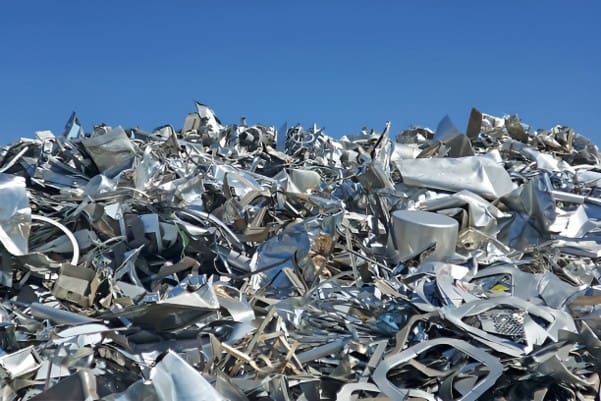
Aluminium sits in an odd spot among scrap metals. It is not as valuable per kilo as copper, yet it remains one of the most sought after materials on the market because it never really wears out. Every can, sheet, or cable handed in can be melted down and reused without losing strength or purity. Researchers reviewing recycled aluminium as a manufacturing feedstock have found the material performs reliably even after repeated reprocessing, supporting its growing use across construction and industry. That durability is exactly why buyers keep asking for it, and why aluminium has earned a reputation as one of the more dependable metals to sell.
What Moves the Aluminium Scrap Price
A handful of things decide what you are paid on the day:
- Purity – Clean aluminium free of paint, plastic, or steel fixings earns more than mixed loads.
- Form – Cast aluminium, extrusions, sheet, and cable each carry a different rate.
- Weight – Larger loads are easier to process and often attract steadier per kilo pricing.
- Global demand – Aluminium is traded internationally, so local prices shift with the broader commodities market, much like the swings seen across other non-ferrous metals.
The Australian Bureau of Statistics has reported that aluminium holds one of the strongest recovery rates of any waste material in the country, sitting at around ninety percent. That kind of consistent recovery is part of why scrap buyers can keep offering fair, steady prices rather than wild swings from one week to the next.
Getting Your Load Ready
A little preparation before a visit to the yard can lift what you walk away with:
- Separate aluminium from steel, brass, or copper wherever possible.
- Strip cable insulation if time allows, since clean metal is worth more.
- Remove large plastic or rubber attachments before weighing in.
- Keep cans, sheet, and extrusions in separate piles if the volume allows.
The sorted material moves through the yard faster and earns a cleaner price. The Australian Aluminium Council has also pointed out that aluminium is infinitely recyclable, meaning a can or sheet sold today can return as a new product without losing any of its useful properties.
The Bigger Picture
Recycling aluminium is not only about the cash in your pocket. Producing new aluminium from bauxite is an energy hungry process, while recycling the existing metal uses only a small fraction of that energy and cuts down on the need for fresh mining. Industry coverage of Australia’s resource recovery data shows metals, including aluminium, sitting at the front of the country’s circular economy progress, with national recovery rates climbing steadily over the past two decades as sorting technology and collection networks have improved. A recent study on aluminium can recycling in Australia also found that a large share of collected cans return to make new cans, closing the loop rather than becoming waste shipped offshore with nothing to show for it.
There is also a quieter, longer running story behind the numbers. Aluminium was once treated as a rare and prized material, and while it is now common and inexpensive, its usefulness has not changed at all. It still resists corrosion, holds its shape under load, and keeps its strength through repeated melting. That combination is part of why builders, electricians, and manufacturers continue to specify it for everything from window frames to vehicle parts. Every load taken to a responsible recycler adds to that momentum, even if it feels like a small contribution on its own. Multiplied across thousands of households, tradies, and job sites, those small contributions add up to a genuinely large slice of Australia’s recycling effort.
Where Austick Comes In
Austick offers aluminium recycling services across Greater Sydney and NSW, with free pickup for eligible loads and on the spot payment based on weight. According to industry market data, the broader scrap metal recycling sector in Australia continues to grow steadily, and aluminium remains one of its most consistently traded materials. Whether it is cable offcuts from a job site, an old car battery tray, or a shed full of cans, the team can also explain how copper recycling pays off alongside aluminium if you have a mixed load to bring in.
Conclusion
Selling aluminium scrap does not need to be complicated. Sort what you can, keep the load reasonably clean, and bring it in or book a pickup. If you have aluminium sitting around from a renovation, a job site, or years of accumulated shed clutter, get in touch with us today to arrange a quote or a free pickup across Sydney and NSW.
FAQs:
Is aluminium worth recycling?
Yes. It can be recycled endlessly without losing quality, and Australia already recovers around ninety percent of its aluminium waste.
How is the aluminium scrap price worked out?
Price depends on purity, form, weight, and current global demand, so it can shift from one week to the next.
Do I need to clean my aluminium before selling it?
Removing paint, plastic, and other metals first will usually earn you a better rate per kilo.
Can aluminium cans and sheet metal be recycled together?
Yes, though sorting them separately often speeds up processing and can improve the price offered.
Does Austick offer pickup for aluminium scrap?
Yes, free pickup is available for eligible loads across Sydney, Newcastle, and Wollongong.
Why does recycled aluminium use less energy than new aluminium?
Producing aluminium from raw bauxite requires intense heat and electricity, while recycling only needs melting, which uses far less power.