Copper is everywhere in modern Australia, yet its recycling story is rarely understood. At Austick, we work closely with industries, trades, and households that rely on copper every day without realising its long-term value or environmental impact. This article lifts the lid on ten surprising truths about copper recycling, revealing why it matters more than most people think, how it shapes sustainability, and why responsible recovery plays a critical role in Australia’s future.
Table of Contents
Key Takeaways
- Copper can be recycled endlessly without loss of quality
- Recycling uses far less energy than mining
- Australia discards valuable copper unnecessarily
- Recycled copper supports clean energy growth
- Responsible recycling protects infrastructure and communities
Why Copper Recycling Deserves More Attention
Copper is not just another scrap metal. It sits at the core of electrical systems, renewable energy, plumbing infrastructure, transport, and manufacturing. Unlike many materials, copper retains its quality indefinitely, making recycling a powerful economic and environmental tool. Despite this, misconceptions around copper recycling remain widespread.
10 Eye-Opening Truths About Copper Recycling in Australia
Copper recycling plays a critical role in Australia’s environmental and industrial landscape, yet many of its benefits remain widely misunderstood. From reducing energy consumption to supporting infrastructure development, recycled copper delivers long-term value beyond waste recovery. Understanding how copper recycling works highlights its importance in sustainability, resource security, and responsible material management across Australia.
1. Copper Can Be Recycled Forever Without Losing Quality
- Most materials degrade over time as reuse continues. Copper does not experience this loss of quality.
- Recycled copper retains the same electrical conductivity, mechanical strength, and corrosion resistance as newly mined copper. Its physical and chemical properties remain unchanged through repeated recycling processes, which makes copper one of the most efficient and reliable recyclable materials available.
- Research indicates that nearly 80% of all copper ever mined is still in use today, demonstrating copper’s ability to remain in circulation for decades without performance loss. This exceptional durability supports long-term resource efficiency and reduces the need for continuous extraction of new raw materials.
2. Recycling Copper Uses Up to 85% Less Energy Than Mining
Primary copper mining is a highly energy-intensive process that involves extraction, crushing, smelting, and refining. In comparison, recycling copper requires only a fraction of the energy because the material has already been processed and refined for use.
Key benefits include:
- Lower energy consumption, reducing demand on power generation and natural resources.
- Reduced carbon emissions, helping limit the environmental impact associated with metal production.
- A smaller environmental footprint, with less land disturbance and waste generation.
Industry research consistently shows that recycled copper saves a significant amount of energy compared to traditional extraction and refining processes. This efficiency makes copper recycling a more sustainable and environmentally responsible alternative to primary production.
3. Australia Discards More Recoverable Copper Than Most People Realise
Copper loss often occurs quietly across multiple sectors, without clear visibility into how much valuable material is being discarded. Everyday activities such as property upgrades, infrastructure replacements, and equipment upgrades contribute significantly to this loss.
Common sources include:
- Renovation waste, where removed piping and fittings are frequently treated as general waste.
- Old wiring and cabling are replaced during electrical upgrades or safety compliance works.
- Decommissioned appliances, which often contain copper components that are overlooked.
- Commercial demolition projects, where large volumes of recoverable copper can be lost without proper sorting.
Without appropriate recycling pathways, fully recoverable copper is sent to landfill, resulting in unnecessary resource loss. Responsible recycling ensures this material is recovered, processed, and returned to productive use rather than being buried permanently and removed from the supply cycle.
4. Copper Recycling Supports Australia’s Circular Economy
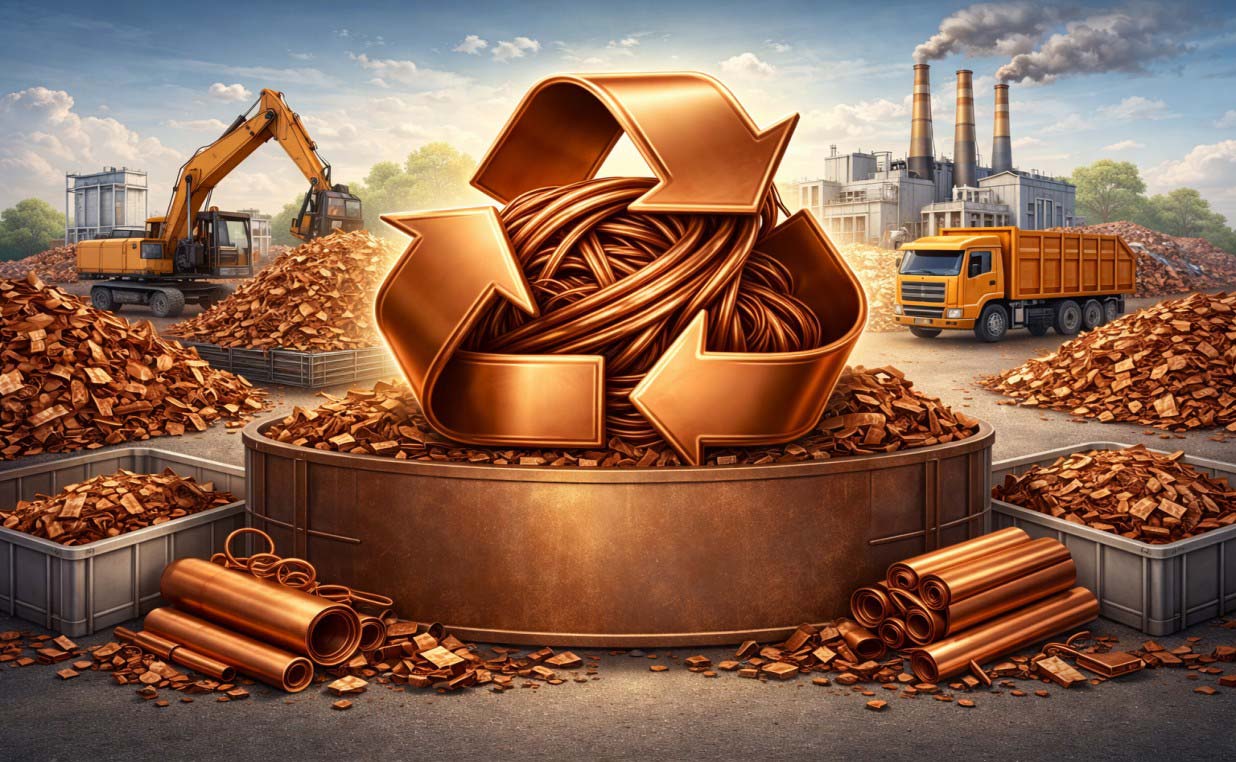
A circular economy is designed around the principles of reuse, recovery, and regeneration, aiming to keep valuable materials in circulation for as long as possible. Copper recycling fits naturally within this model due to copper’s ability to be reused repeatedly without loss of quality.
Copper recycling aligns strongly with this approach by:
- Reducing reliance on imported raw materials, helping stabilise supply chains and limit exposure to global market fluctuations.
- Strengthening local supply chains by keeping recovered materials within domestic processing and manufacturing networks.
- Supporting sustainable manufacturing practices by providing manufacturers with high-quality recycled copper that requires less energy to produce.
Australia’s National Waste Policy recognises metal recycling as a key contributor to long-term sustainability, reinforcing the role of copper recycling in reducing waste, conserving resources, and supporting economic resilience.
5. Copper Theft Increases When Recycling Knowledge Is Poor
Copper theft remains a significant national issue, impacting essential infrastructure, construction sites, and public safety. Stolen copper can disrupt power supply, telecommunications, and transport systems, creating financial losses and safety risks across communities.
Licensed recycling operators play an important role in limiting these activities by:
- Verifying supplier identification, ensuring materials are received from legitimate and traceable sources.
- Tracking material origins, which helps establish accountability and discourages unlawful disposal.
- Complying with state and federal regulations, supporting lawful trade and responsible material handling.
When recycling processes operate transparently and within regulatory frameworks, illegal activity becomes far more difficult to conceal. Clear compliance standards help protect infrastructure while supporting responsible recycling practices across the industry.
6. Recycled Copper Powers Renewable Energy Systems
- Renewable energy technologies rely heavily on copper due to its high electrical conductivity, durability, and efficiency. Solar panels, wind turbines, electric vehicles, and battery storage systems all depend on copper to transmit power reliably and safely.
- Global energy research indicates that the transition toward cleaner energy systems will significantly increase copper demand over the coming decades. As renewable infrastructure expands, the need for a stable and sustainable copper supply becomes increasingly important. Recycling helps meet this growing demand by returning existing copper back into circulation, reducing reliance on new mining activity and limiting additional environmental pressure associated with resource extraction.
7. Copper Recycling Creates Skilled Jobs Across Australia
Copper recycling supports a broad range of skilled employment opportunities across Australia, contributing to both economic activity and workforce development. The industry requires specialised knowledge, technical capability, and strict adherence to safety and compliance standards.
The recycling sector supports roles such as:
- Logistics and transport, ensuring the safe and efficient movement of materials from collection points to processing facilities.
- Material processing and grading, where expertise is required to sort, assess, and prepare copper for reuse.
- Compliance and quality control, focusing on regulatory requirements, environmental standards, and material integrity.
Industry data indicates that metal recycling contributes substantially to employment while also delivering measurable environmental benefits. These roles support sustainable industry growth while helping reduce waste and conserve valuable resources.
8. Not All Copper Scrap Is Equal
Copper scrap differs significantly in grade, purity, and overall quality, which directly affects how it is processed and reused. Understanding these differences is essential for achieving efficient recycling outcomes and maximising the value of recovered material.
Common categories include:
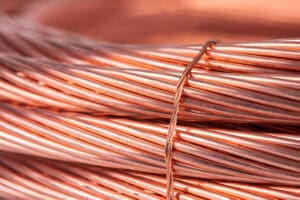
- Bare bright copper, which is highly pure and commonly sourced from clean, uncoated wiring.
- Copper tubing, often recovered from plumbing systems and industrial applications.
- Insulated cable, which contains copper encased in protective materials that require additional processing.
- Mixed copper alloys, which combine copper with other metals, must be carefully separated.
Correct sorting improves recovery efficiency, reduces processing waste, and supports higher-quality reuse outcomes. Experienced processing ensures each grade is handled appropriately, allowing copper to re-enter manufacturing and infrastructure supply chains in the most effective form.
9. Copper Recycling Reduces Water Pollution
Copper mining places significant pressure on water resources and increases the risk of environmental contamination throughout the extraction and processing stages. These activities can impact surrounding ecosystems and place long-term strain on local water supplies.
Recycling copper significantly reduces:
- Acid mine drainage, which can damage waterways and aquatic life.
- Chemical runoff limits the spread of harmful substances into the surrounding environments.
- Soil and groundwater contamination, helping protect natural water systems and agricultural land.
Environmental research recognises recycling as a key strategy for reducing the environmental damage associated with mining activities. By prioritising copper recycling, pressure on water resources is reduced while supporting more sustainable material management practices.
10. Copper Recycling Is Essential for Long-Term Infrastructure Growth
Australia’s infrastructure expansion relies on a reliable and consistent supply of copper to support essential services and future development. Copper plays a critical role in power distribution, transport systems, telecommunications, and emerging technologies that require dependable electrical performance.
Recycling supports this need by ensuring:
- Stable material availability helps maintain supply levels as demand continues to grow.
- Reduced price volatility, limiting the impact of global market fluctuations on construction and infrastructure projects.
- More sustainable construction material or practices, by lowering dependence on newly mined materials and reducing environmental impact.
Copper recovered today is reintroduced into production cycles and becomes part of future power grids, transport networks, and communication systems. This continuity supports long-term infrastructure planning while promoting responsible resource management across Australia.
Conclusion
Copper recycling is no longer a background process; it is a practical responsibility tied to sustainability, infrastructure growth, and resource security. At Austick, we understand the value hidden in discarded copper and the impact responsible recovery has on Australia’s environmental future. We work with clarity, compliance, and purpose to ensure copper is reused where it matters most. If reliable copper recycling services or expert guidance are required, get in touch with us to discuss a solution built on experience and accountability.
FAQs
Is recycled copper as strong as new copper?
Recycled copper retains the same strength and electrical conductivity as newly mined copper.
Can household copper be recycled?
Household materials such as wiring, plumbing pipes, and appliances commonly contain recyclable copper.
Does copper recycling reduce environmental damage?
Copper recycling significantly reduces emissions, energy consumption, and environmental pollution compared to mining.
Is copper recycling regulated in Australia?
Copper recycling in Australia is governed by strict legal and safety regulations that licensed recyclers must follow.
What industries rely most on recycled copper?
Industries such as construction, electrical services, renewable energy, and manufacturing rely heavily on recycled copper.
Does recycling copper reduce mining demand?
Increased copper recycling reduces the need for new mining operations by supplying reusable material back into production systems.