Tossing every offcut into one bin is quietly costing you money. Sorted, clean scrap always earns more than a mixed heap. At Austick, we help Sydney tradies and households turn tangled loads into tidy, higher-value batches. This guide shows you how to identify, sort, and prepare your metals so every kilo is weighed at its true worth.
Table of Contents
Key Takeaways
- Mixed loads are graded down and paid less.
- A simple magnet separates ferrous from non-ferrous metals.
- Clean, sorted scrap earns the strongest returns.
- Non-ferrous metals like copper are worth far more.
Why Mixing Metals Costs You Money
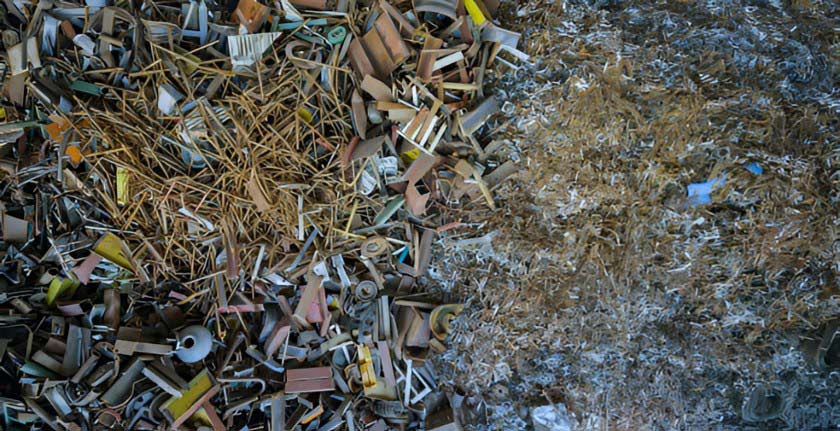
When scrap arrives mixed, a recycler cannot pay top rate for the good material buried inside it. The whole load is often graded to the lowest metal present. Sorting first means each type is weighed and paid at its own price, which can lift your total return noticeably.
Metals are already Australia’s recycling success story. According to the Department of Climate Change, Energy, the Environment and Water, metals reached a 90 per cent resource recovery rate, the highest of any material category in the country. Sorting your scrap properly keeps that valuable material flowing back into use. Even spending a few extra minutes separating your scrap before visiting a recycler can make a noticeable difference to the final payout you receive.
Know Your Two Main Groups
Every metal falls into one of two families, and telling them apart is the first step:
- Ferrous metals contain iron. Think steel and cast iron. They are magnetic and can rust.
- Non-ferrous metals have no iron. Think copper, brass, and aluminium. They resist rust and are worth more.
- The quickest test is a magnet. If it sticks firmly, you are holding ferrous metal. If it does not, you likely have a more valuable non-ferrous piece.
Sorting the Common Metals
Once you have split ferrous from non-ferrous, group the non-ferrous metals by type. A few simple cues help:
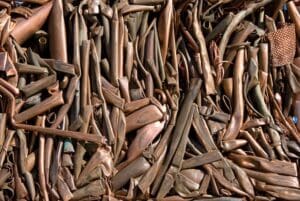
- Copper: Reddish-brown, often found in pipes and wiring.
- Brass: Yellow-gold, common in taps, valves, and fittings.
- Aluminium: Light, silvery, and soft to scratch.
- Stainless Steel: Heavier, shiny, and only faintly magnetic.
Prepare Your Scrap the Right Way
Clean metal is worth more than dirty metal. A little preparation lifts your grade and speeds up the weigh-in. Before you drop off or book a pickup:
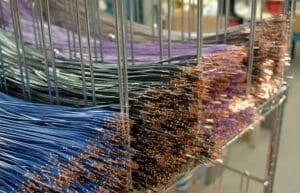
- Remove plastic, rubber, and insulation where you safely can.
- Separate brass fittings and solder from bare copper.
- Keep each metal type in its own bin or bag.
- Strip obvious rubbish and non-metal parts from the load.
Preparation pays off environmentally too. Data from the Australian Aluminium Council shows that recycling aluminium saves around 95 per cent of the energy needed to make it from raw ore, so every clean, sorted kilo has real value beyond the payout.
Good Sorting Supports a Circular Economy
Sorting is not just about a better price. It keeps quality material out of landfill and back into manufacturing. Recycling scrap metal can reduce mining waste by up to 97 per cent, which is a powerful reason to sort rather than skip.
Research from the University of Technology Sydney highlights how responsible metal recycling helps build Australia’s circular economy, where materials are reused rather than lost. Your sorted bin is a small but genuine part of that bigger shift. By keeping different metals separate, recyclers can process materials more efficiently, reducing contamination and improving the quality of recycled products.
Sell Safely and Correctly
It also pays to know the rules. Reporting from The Conversation explains that scrap dealers in New South Wales are no longer permitted to pay cash for scrap metal, a measure aimed at curbing copper theft. A licensed, compliant recycler keeps your sale straightforward and above board.
Metals lead the nation’s recycling effort for good reason. Industry analysis in Waste Management Review describes metal as the front-runner of Australia’s circular economy, thanks to how easily it can be recovered and reused again and again. Keeping valid identification ready and understanding local recycling regulations helps ensure your transaction is completed quickly, legally, and without unnecessary delays.
Where Different Metals Turn Up
Knowing where each metal appears makes sorting faster on site or around the home. Once you learn the patterns, separating a load becomes second nature:
- Copper: Plumbing pipes, electrical wiring, and hot water systems.
- Brass: Taps, valves, door hardware, and light fittings.
- Aluminium: Window frames, cans, guttering, and offcuts.
- Steel: Appliances, framing, brackets, and general offcuts.
On a busy work site, keeping a few labelled bins nearby means scraps land in the right place from the start. That small habit saves sorting time later and keeps your higher-value copper and brass from being lost in a steel-heavy pile.
A Simple Sorting Routine
Build a habit that takes minutes and pays for itself:
- Run a magnet over each piece as you collect it.
- Drop ferrous and non-ferrous into separate bins.
- Group copper, brass, and aluminium on their own.
- Ask for a current quote before you sell.
Conclusion
A few minutes of sorting turns a low-grade heap into a load worth real money. With clean, separated metals, you get a fair price and help the planet at the same time. Our friendly team offers honest grading and free pickup across Sydney and NSW. Contact us today for a quote and start sorting smarter.
FAQs:
How do I tell ferrous from non-ferrous metal?
Use a magnet. If it sticks firmly, the metal is ferrous. If not, it is non-ferrous.
Why is sorting scrap metal important?
Sorted metal is graded and paid at its true rate, while mixed loads are often paid the lowest price.
Which scrap metals are worth the most?
Non-ferrous metals like copper, brass, and aluminium generally earn far more per kilo than ferrous steel.
Should I remove insulation before selling copper?
Yes. Clean, bare copper earns a higher grade than insulated wire or pipes with fittings attached.
Can I sell mixed metal loads?
You can, but mixed loads take longer to sort and usually return less than clean, separated metals.
Is cash payment allowed for scrap metal in NSW?
No. Scrap dealers in New South Wales must pay electronically, a rule aimed at reducing metal theft.