Copper often sits unnoticed in sheds, garages, or leftover job materials. It may seem too minor to matter, yet even small quantities hold measurable value when handled correctly. At Austick, copper recycling is not limited to bulk loads. Smaller amounts can still contribute to environmental outcomes and generate returns when assessed properly. The decision is not just about volume; it is about recognising value, reducing waste, and making practical use of available resources.
Table of Contents
Key Takeaways
- Small amounts of copper can still hold value
- Clean materials generate better returns
- Accumulating copper improves outcomes
- Recycling supports environmental sustainability
- Professional services simplify the process
Why Copper Is Valuable
Copper holds its value far better than many other metals. Unlike steel or aluminium, it commands a higher price per kilogram, making it an attractive option for recycling, even in relatively small quantities.
The reason for this comes down to demand. Copper is essential in:
- Electrical wiring and infrastructure
- Plumbing systems
- Renewable energy technologies
- Electronics and appliances
Because it can be recycled without losing quality, it’s always in demand. This means scrap yards are generally willing to pay for it, even if you’re only bringing in a modest amount.
Understanding the Value of Small Copper Quantities
While copper is valuable, the key factor is volume. It is common to underestimate small amounts. A few bits of wire or a short length of pipe won’t bring in a huge payout on their own.
What to expect with small amounts:
- Payments are usually based on weight (per kilogram)
- A small handful might only earn a few dollars
- Prices can fluctuate depending on the market
- Copper grade (clean vs mixed)
- Condition and contamination level
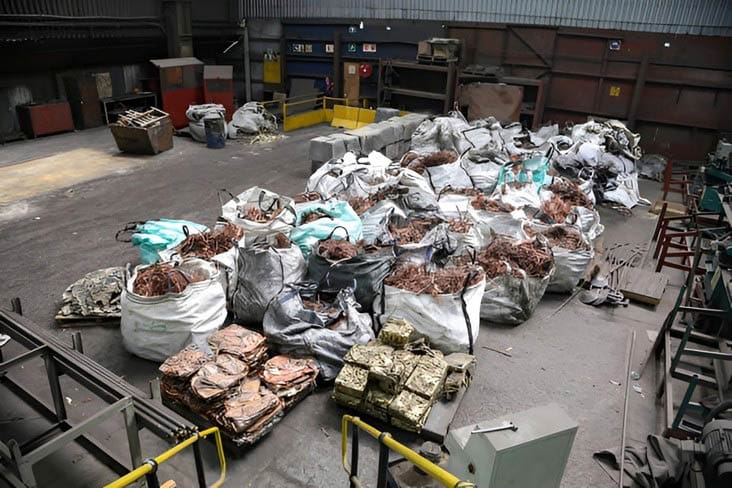
- Clean, sorted copper earns more than mixed or dirty scrap
Even offcuts, wiring scraps, or leftover plumbing materials can carry value. So, if you’re expecting a big return from a tiny pile, you might be disappointed. But that doesn’t necessarily mean it’s not worth doing.
Types of Copper Matter
Not all copper is created equal. Scrap yards typically classify copper into different grades, and the cleaner it is, the more you’ll earn.
Common types include:
- Bare bright copper (clean, uncoated wire), highest value
- #1 copper (clean pipes or wire with minimal contamination)
- #2 copper (painted, soldered, or slightly dirty)
- Insulated copper wire (value depends on copper content)
If you’re recycling small amounts, taking the time to separate and clean your copper can make a noticeable difference in what you get paid.
Time vs Reward
This is where the real question comes in, is your time worth the return?
Collecting, sorting, and possibly stripping copper wire can take time and effort. If you’re only dealing with a very small quantity, the financial return may not justify the work.
Things to consider:
- How long it take to gather and prepare the scrap
- Travel time to your nearest recycling facility
- Fuel costs if you’re driving
- The value of your time
For some people, especially tradies or frequent renovators, collecting copper over time makes sense. But for others, it may feel like a lot of effort for a small payout.
Environmental Benefits
Even if the financial return is modest, recycling copper has clear environmental advantages and supports a sustainablility with copper. Mining new copper requires significant energy and resources, while recycling uses far less.
Environmental benefits include:
Reducing landfill waste
- Conserving natural resources
- Lowering greenhouse gas emissions
- Supporting a circular economy
From a sustainability perspective, even small amounts of recycled copper contribute to a bigger positive impact.
When It Is Worth It
There are definitely situations where recycling small amounts of copper makes sense.
It’s worth it if:
- You regularly accumulate scrap over time
- You can store it and build up a larger quantity
- You already have easy access to a recycling centre
- You enjoy the process or want to reduce waste
In these cases, even small amounts can add up to something worthwhile over time.
When It Might Not Be Worth It
On the flip side, there are times when recycling small amounts of copper may not be practical.
It may not be worth it if:
- You only have a tiny amount with low value
- The recycling centre is far away
- The copper is heavily contaminated or difficult to clean
- You’re short on time or resources
In these situations, the effort may outweigh the benefit, at least from a financial standpoint.
Tips to Maximise Value
If you decide to recycle your copper, there are a few simple ways to get the most out of it.
Helpful tips:
- Store copper over time to increase volume
- Separate different grades before visiting the scrap yard
- Remove insulation from wires if practical
- Keep copper clean and free from other materials
- Check current scrap prices before selling
A bit of preparation can turn a small return into a more worthwhile payout.
Why Choose Professional Copper Recycling Services
Professional recyclers offer:
- Accurate material assessment
- Competitive pricing
- Efficient handling
- Compliance with environmental standards
At Austick, our focus is on making recycling straightforward, regardless of quantity.
Is It Worth It Overall?
The answer depends on perspective. From a purely financial angle, very small quantities may appear minor.
From a broader view:
- Waste is reduced
- Resources are reused
- Value is recovered over time
When combined with consistent collection, small amounts become meaningful.
Conclusion
Copper recycling is not limited to large-scale operations. Even smaller quantities contribute to both financial return and environmental responsibility, especially when considered against the current price of copper. At Austick, every load is assessed with care, ensuring fair value and efficient processing. Contact us today to discuss your copper recycling needs and turn unused materials into practical value.
FAQs:
Is it worth recycling a small amount of copper?
Yes. While returns may be modest, small quantities can still provide value, especially when combined over time.
What is the minimum amount of copper required for recycling?
There is no strict minimum, but larger quantities typically improve returns.
Does clean copper pay more than mixed copper?
Yes. Clean copper attracts higher prices due to reduced processing requirements.
Can I recycle insulated copper wire?
Yes. However, the value depends on the copper content after insulation removal.
How do I store copper before recycling?
Keep it dry, sorted, and free from contamination to maintain its value.
Does copper recycling help the environment?
Yes. It reduces waste, conserves resources, and lowers energy consumption.