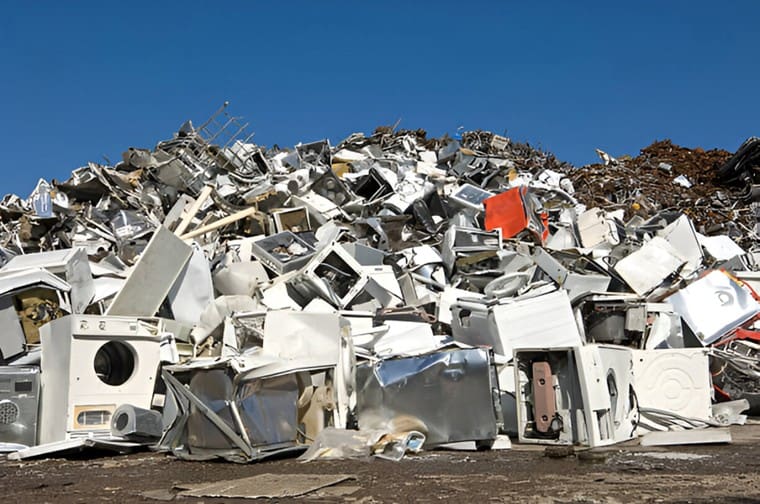
Old appliances, discarded wires, ageing pipes and building waste often contain metals that hold strong recycling value. Many households, trades and demolition sites overlook the potential returns hidden within these materials. At Austick, clients frequently request guidance on how to prepare, sort and sell scrap responsibly. Understanding which items hold value and how to organise them ensures smoother processing and stronger pricing outcomes.
Table of Contents
Key Takeaways
- Sort metals before delivery
- Remove hazards from appliances
- Clean items when possible
- Separate wire grades accurately
- Confirm accepted items before transport
Why These Waste Materials Hold Value
Australia’s recycling sector continues to grow, with metals remaining among the most recoverable resources. The Australian Bureau of Statistics reports ongoing increases in recycling activity, showing the importance of proper metal recovery. Old appliances, wiring, plumbing pipes and renovation waste often contain copper, aluminium, brass and steel, materials that retain value even after decades of use. Proper preparation also helps reduce contamination, improve processing efficiency and support national sustainability goals. When these materials are sorted responsibly, recyclers can recover greater quantities and provide more accurate pricing. Many of these scrap items are readily accepted at yards like Austick, provided they are sorted and safe for processing.
Key reasons these waste materials hold value:
- Metals can be recycled repeatedly without losing quality
- Copper and aluminium maintain strong market demand
- Clean, sorted scrap improves pricing accuracy
- Recycling reduces reliance on mining activities
- Well-prepared materials support safer yard operations
Why Sell Scrap Metal?
Before diving into the details, it’s worth understanding scrap metal after recycling and why selling scrap metal is beneficial.
- Extra Income: Many common household items contain valuable metals. Copper wiring, old appliances, plumbing pipes, and even gutters can be surprisingly profitable.
- Eco-Friendly: Recycling metal reduces the need for mining and lowers carbon emissions.
- Clears Clutter: Removing unused or broken appliances helps keep your home safe and tidy.
- Better Disposal: Some items, like fridges or air conditioners, must be disposed of properly due to chemicals and refrigerants. Recycling is often the easiest way.
How to Sell Scrap from Old Appliances?
Large and small household appliances often contain valuable metal components like steel, copper, aluminium, and sometimes brass, particularly older models made with heavier internal parts.
Common Appliances You Can Scrap:
- Washing machines
- Dryers
- Dishwashers
- Ovens and cooktops
- Fridges and freezers (note: special handling required)
- Microwaves
- Air conditioners
- Heaters
- Small appliances (kettles, toasters, blenders, fans)
How to Prepare Appliances for Scrap?
- Remove Non-Metal Parts: Plastic panels, rubber hoses, and fabric components.
- Cut Off Cords: Wires contain copper and are worth more when separated.
- Drain Fluids: Fridges, freezers, and air conditioners must have refrigerant removed by a licensed technician.
- Remove Motors: Motors and compressors often contain copper and aluminium and can be sold separately.
Don’ts:
- Do not cut into sealed gas lines
- Do not transport appliances filled with liquids
- Do not include batteries inside units
- Do not mix electronics with general scrap
Why Appliances Are Valuable?
- They contain heavy steel components
- Motors and wires contain copper
- Outdoor systems like air conditioners have aluminium/copper radiators
1. Scrap from Wires and Cables
Electrical wires are one of the most profitable forms of scrap metal because they contain copper.
Types of wires you can sell:
- Household electrical cable
- Extension leads
- Power cords from appliances
- Data cables
- Automotive wiring
- Speaker wires
How to Prepare Scrap Wiring?
- Separate by Type: Insulated copper, PVC cable, and bare copper should be kept apart.
- Strip Wiring If Possible: Bare bright copper (stripped clean wire) is the highest-value grade.
- Remove Plugs: Plastic plugs and adapters reduce value.
- Avoid Burning Insulation: It’s illegal in Australia under scrap metal law and harmful to the environment.
Avoid:
- Burning insulation
- Mixing copper with aluminium wiring
- Delivering wires tied with hazardous materials
- Burning insulation is a serious environmental offence and must not be attempted.
Tip
- If you have a large amount of wire, investing in a simple wire stripper can boost your payout significantly.
2. Scrap from Pipes and Plumbing Waste
Plumbing materials are very valuable, especially copper and brass.
Common plumbing scrap:
- Copper pipes
- Brass taps and fittings
- Hot water systems
- Aluminium or stainless steel fixtures
- Sink waste components
How to Prepare Plumbing Scrap?
- Sort by Metal Type: Copper, brass, and steel should never be mixed.
- Remove Plastic and Rubber Fittings: Seals, handles, and wraps should be cut off where possible.
- Clean Pipes If Needed: Debris or cement can lower the grade and reduce value.
High-Value Metals
- Copper: Worth the most, especially if clean and unpainted.
- Brass: Used in taps, valves, and connectors.
- Stainless Steel: Moderately valuable.
3. Scrap from Building Waste
During renovations or demolitions, a surprising amount of metal can be collected.
Valuable building materials:
- Roof sheeting (steel or aluminium)
- Window frames (aluminium)
- Structural steel beams
- Electrical wiring
- Light fittings
- Metal fencing
- Gutters and downpipes
How to Prepare Building Scrap?
- Remove Contaminants: Timber, plaster, insulation, nails, and concrete should be separated.
- Cut Large Items: Pipes, sheets, and beams should be trimmed to manageable lengths.
- Sort Metals: Separating aluminium, steel, stainless steel, and copper increases your payout.
Don’ts:
- Do not include asbestos-affected materials
- Do not mix non-metal waste with metal
- Do not cut into unknown sealed containers
Asbestos must never be included in scrap and must be handled by licensed professionals.
Where to Sell Scrap Metal in Australia
Scrap metal is bought by:
- Scrap metal yards
- Metal recyclers
- Waste transfer stations with metal recycling areas
- Specialty copper and aluminium merchants
How to Choose a Scrap Yard?
- Compare prices between recyclers
- Check if they accept mixed scrap or require sorting
- Ask about minimum weights
- Check if they offer bin hire or pick-up services (handy for large loads)
Dos When Selling Scrap Metal
- Do Sort Metals by Type: Keeps pricing fair and prevents downgrading.
- Do Clean Off Heavy Debris: Cement, oil, dirt, and insulation should be removed where practical.
- Do Remove Batteries: Car and appliance batteries must be recycled separately.
- Do Use Safe Transportation: Sharp edges can be hazardous.
- Do Check for Hazardous Materials: Gas bottles, cylinders, and fridges require special handling.
Don’ts When Selling Scrap Metal
- Don’t Mix Ferrous and Non-Ferrous Metals: You’ll get a lower price.
- Don’t Leave Wiring Attached to Appliances: Separate it for more value.
- Don’t Burn Wires or Pipes: Illegal and dangerous.
- Don’t Bring Sealed Gas Cylinders: They can explode when crushed.
- Don’t Assume All Metals are the Same: Copper and brass grades vary widely.
How to Maximise Scrap Value Before Selling
The way scrap is prepared directly affects the price. Clean, sorted and hazard-free materials receive stronger returns.
Improve value by:
- Classifying metals before drop-off
- Removing attachments where safe
- Keeping copper separate from brass
- Presenting wires sorted by grade
- Ensuring goods are dry and clean
Avoid value loss by:
- Delivering mixed loads
- Leaving oil or chemical residue
- Including burnt or contaminated items
Transport & Delivery Tips
Correct transport ensures a smooth experience at the recycling yard.
Before delivery:
- Confirm accepted materials
- Use covered trailers or secure bins
- Avoid overloading vehicles
- Keep heavy items in the bottom layers
- Maintain clear access for unloading
Austick supports organised deliveries, offers clarity on the best lead scrap price and guides safe handling.
Conclusion
Selling scrap from old appliances, wires, pipes and building waste helps recover value, reduce landfill and support Australia’s recycling economy. With the right preparation, materials can be processed quickly and priced accurately. For reliable service, transparent communication and competitive pricing, contact us today to discuss your scrap metal needs or arrange a delivery.
FAQs:
Can I bring old appliances for scrap?
Yes. Appliances are accepted once they are safe and free from hazards.
Do wires need to be stripped?
Not always. Clean copper earns a higher value, but insulated wire is accepted.
What building materials hold the most value?
Copper, aluminium, brass and stainless steel provide strong returns.
Are hot-water systems accepted?
Yes, once drained and free from gas or hazardous residue.
Can I bring scrap mixed with household waste?
No. Metals must be separated from general waste.
How do I know if a material is a recyclable metal?
Check weight, colour, magnet response and material structure. If unsure, ask Austick.