Scrap copper is one of the most valuable recyclable metals, but the return you receive depends heavily on how well it is prepared. At Austic Copper Recycling, we assist homeowners, tradespeople, and businesses in getting the highest possible value for their copper by offering professional advice and reliable recycling services.
Table of Contents
Key Takeaways
- Clean and sorted copper earns higher prices
- Stripping insulation and fittings boosts value
- Cutting scrap into smaller sizes simplifies transport
- Separation prevents contamination and improves pricing
- Safe storage keeps copper in top condition
Scraping copper isn’t just good for the environment, it can also be a tidy way to make some extra cash. But not all copper is treated equally by scrap yards. If you want to get top dollar for your copper, it’s essential to understand how to properly prepare and sort it before heading in.
Whether you’re a tradie, a renovator, or just doing a clean-out, knowing the ropes can make a big difference when it comes to cashing in. Here’s everything you need to know about prepping your copper for maximum value at the scrapyard.
Why Is Copper So Valuable?
Copper remains among the most highly sought-after metals worldwide. It’s highly conductive, durable, and used in everything from wiring and plumbing to electronics and renewable energy systems. Because of this, it’s highly recyclable, and scrap yards are more than happy to pay for clean, sorted copper.
Australia has strong export markets for recycled copper, which helps drive up its local value. But before you start counting your cash, you’ll need to understand how copper is graded.
Know Your Copper Grades
Scrap yards don’t just weigh your copper and hand over a flat rate, they’ll assess the type and cleanliness of the material to determine its value. The cleaner and purer your copper, the better the price.
Here are the main copper grades:
1. Bare Bright Copper (Millberry)
- The highest grade and best price.
- Pure copper wire, stripped of all insulation and free from paint, solder, and corrosion.
- Must be shiny and at least 1mm thick.
2. #1 Copper
- Clean copper pipes or heavy-gauge wire.
- No insulation, solder, paint, or attachments.
- Not quite as shiny as bare bright, but still very clean.
3. #2 Copper
- Copper with some paint, solder, corrosion, or minor attachments.
- Includes older plumbing pipes and lower-quality wires.
4. Insulated Copper Wire
- Copper wires still covered with layers of plastic or rubber insulation.
- Value is based on copper content, with thicker wires carrying less insulation being more valuable.
5. Copper Radiators / Motors / Mixed Scrap
- Found in air conditioners, electric motors, and appliances.
- Usually valued lower due to mixed metals and components.
Why Preparation Matters?
Copper is in high demand because of its exceptional strength and excellent conductivity. The global demand continues to rise, and recycling copper helps reduce environmental strain caused by mining. While all grades of copper carry value, properly prepared scrap always secures better prices.
By taking steps to sort, clean, and process copper before selling, you:
- Increase the per-kilo value at the recycling yard.
- Save time for recycling specialists, which often translates into higher offers.
- Reduce waste and ensure more copper is eligible for reuse.
Step-by-Step: How to Prepare Scrap Copper
1. Sort Your Copper by Type
Start by sorting your copper into separate piles based on grade. Don’t mix bare bright wire with old plumbing pipes or insulated wire, mixed scrap fetches a lower price.
Use a magnet to make sure you’re dealing with real copper. If the magnet sticks, it’s likely a different metal or copper-plated steel.
2. Strip Insulated Wire
If you’ve got time, stripping the insulation off copper wire can turn low-grade scrap into high-grade material.
- For the task, a manual or electric wire stripper, or even a sharp blade, can be used.
- Make sure the wire underneath is clean, untarnished, and shiny.
- Only strip thick wires, small gauge wires may not be worth the effort unless done in bulk.
- Pro Tip: Weigh the time and effort vs. payout. If the copper content is low, it might not be worth stripping.
3. Clean Off Solder, Paint and Fittings
To bump your copper up to a higher grade:
- Cut off brass or steel fittings from plumbing pipes.
- Remove any soldered joints.
- Sand or scrape off paint or corrosion, if possible.
The cleaner the copper, the closer you get to #1 or bare bright pricing.
4. Cut Into Manageable Sizes
Most scrap yards prefer copper that’s cut into shorter, uniform lengths. Long, tangled wires or bulky pipes are harder to weigh and process.
- Cut wires into 1–2 metre lengths.
- Bundle similar items together with cable ties or rope to keep them organised.
5. Separate Other Metals
If your copper is mixed with other metals like aluminium, brass, or steel (common in motors and appliances), identify and sort scrap metals. Mixed metal loads are often bought at lower, blended rates.
Consider dismantling:
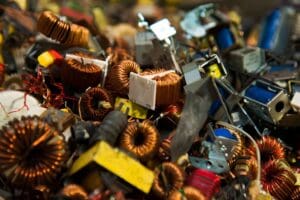
- Electric Motors – Often contain copper windings.
- Transformers – Can have valuable copper, but are time-consuming to process.
- Radiators – Contain copper and aluminium, if separated, each can be sold at a higher rate.
What Scrap Yards Look For?
Scrap yards offer higher payouts for copper that is already cleaned and prepared for processing.
They’ll assess:
- Purity: Is the copper free of contaminants or combined with other materials?
- Grade: Does it fall under bare bright, #1, or #2 copper?
- Weight: The more (clean) weight you bring, the better your negotiation power.
- Organisation: If your scrap is sorted and stripped, they’ll process it faster and are more likely to offer a better price.
Safety Tips
- Always wear gloves and eye protection when cutting or stripping wire.
- Be cautious with old electrical wiring, some may contain lead or other hazardous materials.
- Never attempt to strip copper from live wires or connected appliances.
Know the Market
The value of copper often shifts in response to changes in global supply and demand. Before heading to the scrap yard:
- Check local copper prices online or call your local yard.
- Consider holding onto your scrap if prices are low, they may rise again.
- Ask if the yard pays more for bulk loads or clean, sorted material.
Conclusion
Scrap copper is more than just waste, it is a resource with strong market demand. Preparing it properly helps you achieve maximum value while supporting sustainable recycling. From identifying grades to cleaning, cutting, and separating, every step increases returns. At Austic Copper Recycling Copper Recycling, we provide expert guidance and the best copper prices across Sydney. Contact us today to recycle your copper responsibly and get paid top rates.
FAQs:
What is the most valuable type of scrap copper?
Bright and shiny copper wire is the highest grade and attracts the best prices.
Is it worth stripping copper wire before selling?
Yes. Stripped copper wire earns significantly more than insulated wire.
Can painted copper still be recycled?
Yes, but the paint lowers its grade. Removing paint increases the value.
How do recyclers determine copper prices?
Prices depend on global market demand, copper grade, and purity. Daily rates often change based on trading indexes.
Do I need to separate copper from brass and aluminium?
Yes. Mixing metals reduces overall returns. Separation ensures each type receives the correct price.
Where can I recycle scrap copper in Sydney?
You can bring scrap directly to Austic Copper Recycling Copper Recycling for fair, competitive rates and professional service.