
The way we handle unwanted metals has a direct impact on the environment, resources, and the economy. Choosing between landfill disposal and recycling is more than just a matter of convenience. At Austick Copper Recycling, we recognise that responsible scrap metal management reduces waste, saves natural resources, and creates long-term value for both households and businesses.
Table of Contents
Key Takeaways
- Landfills consume space, pollute, and waste resources
- Scrap metal recycling reduces energy use and preserves natural resources.
- Recycling supports the Australian economy and creates jobs
- Austick Copper Recycling provides tailored recycling services for households and businesses
Why Recycling Outshines Landfill
Sending metals to landfill may appear straightforward, but the hidden costs are significant. Landfills are not infinite, and when metals are buried, the chance to reuse valuable materials is lost forever. Recycling, on the other hand, transforms what may seem like waste into a resource with enduring value.
According to the statistics, millions of tonnes of waste are sent to landfill every year, placing enormous strain on available space. Recycling metals helps ease this burden while supporting the circular economy.
What is Scrap Metal Recycling?
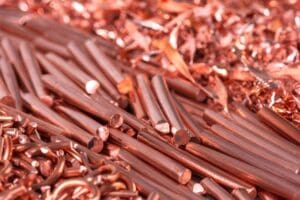
Scrap metal recycling is the process of recovering scrap metal from old appliances, cars, buildings, and other sources and turning it into usable materials for new products. Different types of metals such as aluminium, copper, steel, brass, and iron can be melted down and reused to create new products. This lowers demand for virgin materials, conserving natural resources.
Recycling scrap metal efficiently conserves energy and prevents hazardous substances from leaching into the environment. It has significant economic and environmental benefits that far outweigh the effects of sending metal waste to the landfill.
The Environmental Impact of Landfill Disposal
While landfill disposal may seem like the easiest solution for scrap metal, it is by far the worst choice from an environmental standpoint. Here’s why:
1. Resource Depletion
The most obvious consequence of sending scrap metal to a landfill is the waste of valuable resources. Metals are finite resources, and mining and extraction can be highly destructive to the environment. By recycling scrap metal, we can reduce the need for mining, which helps preserve natural habitats, reduces deforestation process, and conserves water and energy resources. When metal is buried in a landfill, these resources are essentially lost forever.
2. Slow Decomposition
Unlike organic waste, metals do not break down naturally in landfills. Steel, for example, can take decades or even centuries to decompose, depending on environmental factors. This means that scrap metal can sit in a landfill for an extremely long time, occupying precious space that could otherwise be used for biodegradable waste.
3. Toxic Leaching
As metals degrade over time, they can leach into the surrounding environment, contaminating the soil and groundwater with toxic substances like lead, cadmium, and mercury. This contamination can have harmful effects on local ecosystems and even pose a risk to human health if it affects water sources.
4. Greenhouse Gas Emissions
Landfills are also notorious for producing methane gas, a potent greenhouse gas that contributes to climate change. Although methane is more commonly associated with organic waste, metals in landfills can also create indirect emissions, particularly when they’re mixed with other materials like plastics or electronics. These gases contribute to global warming and further exacerbate environmental problems.
The Environmental Benefits of Scrap Metal Recycling
In contrast to landfill disposal, scrap metal recycling has several important environmental benefits:
1. Conservation of Natural Resources
By recycling metal, we reduce the need for new raw materials, helping to conserve the planet’s precious resources. For example, recycling aluminium saves 95% of the energy required to produce new aluminium from raw bauxite. The same is true for other metals like copper and steel, where recycling allows for a more sustainable use of materials that would otherwise need to be mined and processed.
2. Energy Savings
Recycling scrap metal uses less energy compared to producing metal from virgin ore. For instance, recycling steel uses about 60% less energy than creating new steel from iron ore. This energy saving translates into a reduction in carbon emissions, helping to reduce the overall environmental footprint.
3. Reducing Landfill Waste
By diverting scrap metal from landfills, we can free up landfill space for other waste types that are harder to recycle or decompose. In Australia, where landfill space is increasingly becoming scarce, this is a critical consideration. Scrap metal makes up a significant proportion of overall waste stream, and diverting it to recycling programs can go a long way in reducing landfill congestion.
4. Reducing Pollution and Carbon Emissions
Recycling also lowers pollution levels, as less mining and less processing of raw materials is needed. The extraction of metals from the earth can have significant environmental consequences, such as deforestation, soil erosion, and water contamination. Recycling reduces these impacts, fostering a cleaner, healthier environment.
The Economic Benefits of Scrap Metal Recycling
While the environmental benefits of recycling scrap metal are clear, it’s also important to consider the economic advantages. Here’s why recycling scrap metal makes sense from a financial standpoint:
1. Job Creation
The recycling industry is a significant job creator. The scrap metal recycling sector supports thousands of jobs, from collection and sorting to processing and distribution. This is in contrast to landfill operations, which are much less labour-intensive.
2. Reduced Cost of Manufacturing
Recycled metal usually costs businesses less than virgin materials. Not only does this benefit manufacturers, but it can also lead to lower costs for consumers. Industries that rely on metals, like construction, automotive, and electronics, all stand to benefit from the cost savings associated with recycled metals.
3. Revenue Generation
Recycling scrap metal can generate significant revenue. The scrap metal industry is worth billions of dollars, and many companies, from small operations to large corporations, are able to profit from the sale of scrap metal. This provides economic incentives for businesses to invest in recycling programs and for individuals to scrap unwanted metal items.
Practical Considerations: Which is the Easier Option?
When it comes to practicality, recycling scrap metal is not without its challenges. It requires the collection, sorting, and transportation of metals to a recycling facility. However, many cities and towns in Australia offer accessible recycling programs, and there are plenty of scrap metal dealers who will pick up large amounts of metal directly from businesses or households. Additionally, many facilities accept scrap metal for free or will pay for it, making it a win-win situation.
On the other hand, landfill disposal is often the easier option in the short term. Throwing metal into the trash may seem like a convenient choice, especially for individuals or businesses who are not aware of the environmental consequences. However, this convenience comes at a cost to the environment and future generations. The easy option is often the most damaging in the long run.
How Austick Copper Recycling Copper Recycling Makes a Difference
At Austick Copper Recycling, scrap metal recycling is more than a service, it’s a commitment to responsible practice. Whether you’re clearing out a building site, upgrading machinery, or managing ongoing industrial waste, we ensure metals are collected, processed, and channelled back into productive use.
Explore our services here:
- Scrap Copper Recycling
- Scrap Brass Recycling
- Scrap Aluminium Recycling
- Scrap Lead Recycling
Conclusion
Landfill disposal may seem convenient, but its hidden costs are immense. Recycling scrap metal, however, delivers environmental, economic, and social benefits that cannot be ignored. At Austick Copper Recycling, we provide trusted recycling solutions tailored to your needs, ensuring valuable resources are recovered responsibly. Ready to turn scrap into value? Contact us today and join the movement towards a cleaner, more sustainable future.
FAQs:
Why is recycling scrap metal better than landfill disposal?
Recycling preserves natural resources, reduces emissions, and returns value to the economy. Landfilling wastes space and increases pollution.
How long do metals take to break down in a landfill?
Some metals can take hundreds of years to degrade in landfill, during which harmful substances may leach into the environment.
What metals are most valuable to recycle?
Copper, aluminium, brass, and lead are highly valuable thanks to their reusability and strong resale markets.
Does recycling metal really save energy?
Yes. Recycling aluminium uses about 95% less energy than producing it from raw bauxite ore, delivering significant energy savings.
Can households recycle scrap metal?
Absolutely. Households can bring in wires, pipes, appliances, and other metal items for recycling.
How can I arrange metal recycling with Austick Copper Recycling?
Contact Austick Copper Recycling to arrange collection or drop-off. We provide competitive prices and reliable service across Sydney.