
Turning scrap into something valuable takes more than just heat; it takes precision. Copper smelting and refining transform discarded material into high-grade metal. Austick follows a detailed, sustainable approach to melting, purifying, and repurposing copper for new use. In this article, we walk through the essential steps of how scrap becomes refined copper ready for industries that demand reliability and purity.
Table of Contents
Key Takeaways
- Efficient Recycling: Scrap copper is effectively transformed into high-purity copper through smelting and refining.
- Advanced Techniques: Utilisation of state-of-the-art furnaces and refining methods ensures quality output.
- Environmental Responsibility: Our processes minimise waste and reduce the need for virgin copper mining.
- Industry Standards: Adherence to international standards guarantees the reliability of our recycled copper.
- Community Contribution: By recycling copper, we support sustainable practices and contribute to the circular economy.
Why Recycle Copper?
Before diving into the smelting and refining process of copper metal, it’s important to understand why recycling copper matters. Unlike many materials, copper can be recycled indefinitely without losing its properties. This means that scrap copper, sourced from old electrical cables, plumbing pipes, electronics, and industrial waste, can be continuously reprocessed and reused. Recycling copper saves energy, reduces greenhouse gas emissions, and conserves natural ore reserves.
Step 1: Collection and Sorting of Scrap Copper
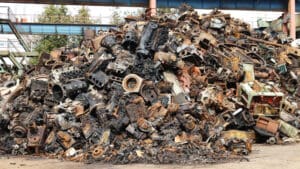
The first stage of the process is the collection and sorting of copper scrap. Copper scrap is typically divided into two categories:
Clean (or bare bright) scrap – mostly high-purity copper wire or tubing with minimal contaminants.
Mixed or contaminated scrap – such as insulated wires, copper alloys, or materials mixed with other metals and plastics.
Proper sorting is essential because contaminants like plastic insulation, steel, lead, or zinc can affect the quality of the final refined copper. Once sorted, the scrap is prepared for the smelting stage.
Step 2: Melting the Scrap Copper
The sorted copper scrap is then transferred to a smelting furnace, where it is melted down at extremely high temperatures, typically above 1,085°C (1,985°F). There are several types of furnaces used for this purpose, including:
- Reverberatory furnaces
- Rotary furnaces
- Electric arc furnaces
During this process, fluxes (chemical additives) may be added to the molten material. These fluxes bind with impurities and help form a slag, a less dense layer that floats on top of the molten copper. This slag can be easily removed, separating a portion of the unwanted materials.
Step 3: Refining the Molten Copper
After the initial smelting, the molten copper, known at this stage as blister copper due to its rough surface and 98–99% purity, undergoes further refining to reach the required purity levels.
Fire Refining
In fire refining, the blister copper is poured into another furnace (often a refining furnace) and exposed to air or oxygen-enriched air. This step oxidises remaining impurities like iron, sulphur, and other metals. A key part of this stage is the oxidation and reduction cycle:
- In the oxidation phase, air is blown through the molten copper, causing impurities to oxidise and separate as slag.
- Then in the reduction phase, natural gas or other reducing agents are introduced to remove any excess oxygen from the copper, producing “tough pitch” copper, which is around 99.5% pure.
Electrolytic Refining (Optional for High-Purity Copper)
For applications requiring extremely pure copper, such as electrical conductors, the metal undergoes electrolytic refining. Here’s how it works:
- The fire-refined copper is cast into anodes.
- These anodes are placed in an electrolytic cell, along with thin sheets of pure copper called cathodes.
- The cell is filled with an electrolyte solution, usually copper sulphate and sulfuric acid.
- When electric current is applied, copper from the anodes dissolves and is deposited onto the cathodes, leaving impurities behind.
This process yields copper with 99.99% purity, ideal for high-performance industrial applications.
Step 4: Casting into Usable Forms
Once refined, the molten copper is cast into various forms depending on its end use. Common products include:
- Copper rods and wire bars – used in electrical wiring
- Billets and cakes – for rolling into sheets or drawing into tubes
- Ingots – for further alloying or manufacturing
These forms are then distributed to manufacturers who turn the refined copper into consumer or industrial products.
Environmental Considerations
One of the significant advantages of recycling copper through smelting and refining is the lower environmental impact compared to extracting copper from mined ore. Mining and primary smelting produce large amounts of waste rock and require extensive energy. In contrast, recycling copper uses only a fraction of the energy and results in fewer emissions. These are just a few of the environmental benefits of recycling copper, making it a far more sustainable option.
However, the recycling process still requires proper environmental controls. Fumes from melting and refining must be captured and treated, and slag must be disposed of or repurposed safely. Many modern facilities are equipped with scrubbers, filters, and waste heat recovery systems to minimise environmental harm.
Austick’s Commitment to Sustainability and Quality
At Austick, we are dedicated to sustainable practices in copper recycling. Our operations are guided by a deep respect for the environment and a commitment to innovation. By investing in state-of-the-art technology and energy-efficient processes, we ensure that every step, from sorting and melting scrap copper to refining and casting, is performed with minimal environmental impact.
What defines about us is not just what we do, but how we do it. Our facilities are designed to meet the highest standards of safety, efficiency, and environmental stewardship. Through advanced emission controls and waste management systems, we strive to minimise our carbon footprint while maximising metal recovery.
Conclusion
The smelting and refining of scrap copper is a vital industrial process that turns discarded metal into valuable raw material. By carefully collecting, melting, purifying, and casting scrap copper, industries can produce high-quality copper while conserving resources and reducing environmental impact. Interested in learning more about our copper recycling services? Contact Austick today to discover how we can assist with your copper recycling needs.
FAQs:
What types of copper scrap can be recycled?
Various forms, including wires, pipes, and electronic components, can be recycled.
How pure is the recycled copper?
Through our refining processes, we achieve up to 99.99% purity.
Is recycled copper as good as new copper?
Yes, recycled copper retains the same quality and conductivity as newly mined copper.
How does recycling copper benefit the environment?
It preserves valuable natural resources, cuts down on energy use, and significantly lowers greenhouse gas emissions.
Can individuals contribute to copper recycling?
Absolutely. Individuals can collect and deliver copper scrap to recycling centres like Austick.