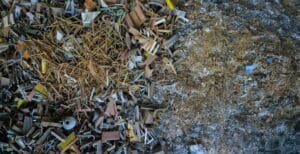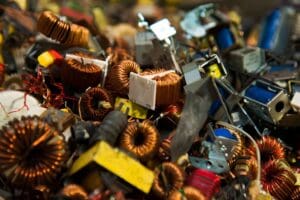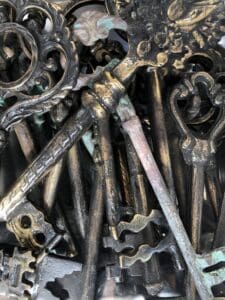
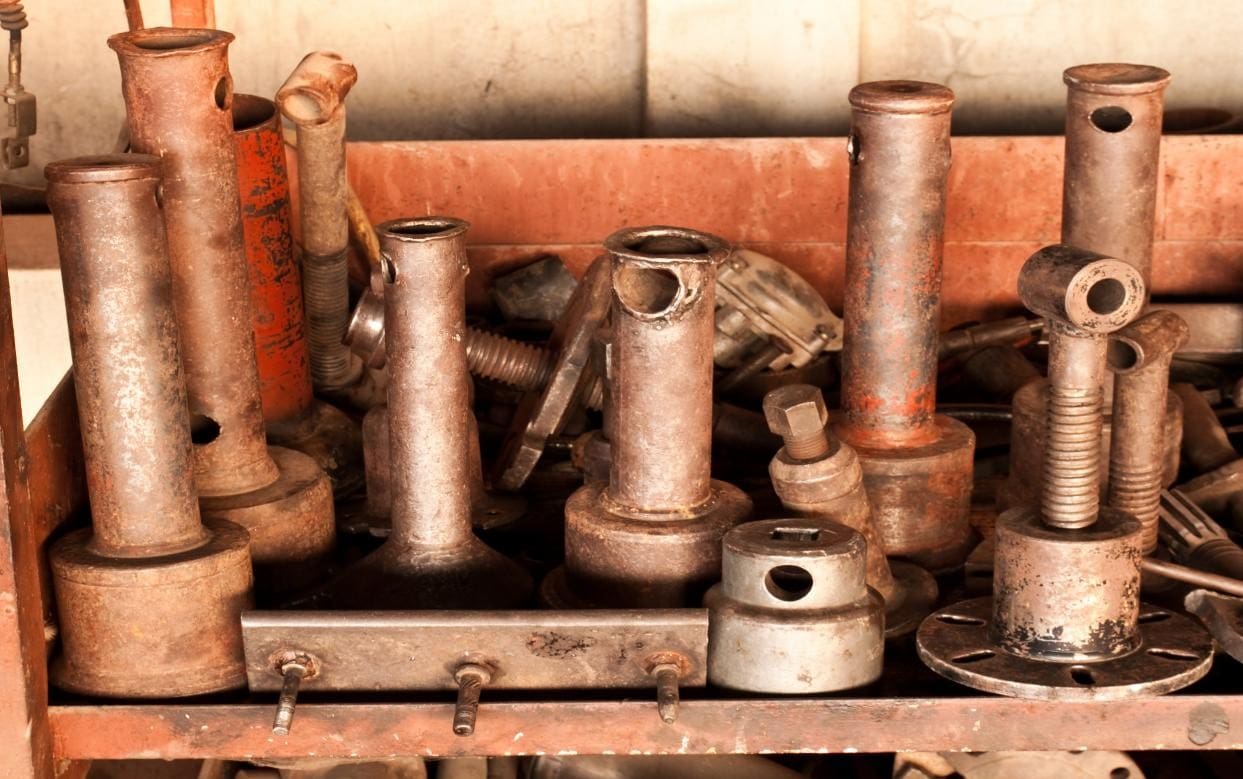
Sorting scrap metal correctly is not only about keeping things tidy; it is also about ensuring that value is maximised and recycling is effective. At Austick Copper Recycling, the focus remains on helping individuals and businesses turn unwanted materials into worthwhile returns. Understanding the differences between copper, brass, aluminium, and steel is the first step towards responsible metal recycling that benefits both the economy and the environment.
Table of Contents
Key Takeaways
- Copper, brass, aluminium, and steel have distinct features.
- Sorting improves recycling value and efficiency.
- Magnets, weight, and colour tests assist in identification.
- Proper sorting supports both environmental sustainability and economic gain.
Why Sorting Scrap Metal Matters
- Metal recycling plays a critical role in reducing waste, conserving natural resources, and lowering greenhouse gas emissions. According to the Australian Bureau of Statistics, recycling saves thousands of tonnes of materials from entering landfill every year. Sorting metals into categories ensures accurate pricing, prevents contamination, and improves efficiency in processing.
- Recycling metals also reduces the demand for mining raw materials, which is energy-intensive and environmentally disruptive. Research highlights that secondary metal production can use up to 95% less energy compared to extraction from ore.
Identifying Copper
Copper is one of the most valuable metals found in scrap yards, prized for its conductivity, durability, and wide range of applications. It is frequently encountered in both residential and industrial settings, making it one of the easiest metals to identify and recycle.
It is often present in:
- Electrical wiring: Copper is the primary material used in household and industrial wiring because of its excellent ability to conduct electricity. Stripped wires reveal a distinctive reddish tone, making the material straightforward to identify.
- Plumbing pipes: Many older buildings still contain copper pipes due to the metal’s resistance to corrosion and long lifespan. Copper pipes are heavier and sturdier than plastic alternatives, and once removed, can be recycled for a strong return.
- Roofing materials: Copper sheeting and guttering are commonly found in roofing systems, especially in older or architecturally significant buildings. Over time, copper exposed to weather develops a greenish patina, but the underlying reddish-brown surface remains valuable once cleaned.
Copper has a rich reddish-brown appearance and does not stick to a magnet. When stripped of insulation, fittings, or coatings, clean copper commands the highest price among common recyclable metals because of its versatility and constant demand across industries.
Recognising Brass
Brass is an alloy made primarily of copper and zinc, known for its durability, resistance to corrosion, and attractive golden appearance. It has been used for centuries in both decorative and practical applications, and it remains a common material found in everyday items and building components.
It is commonly used in:
- Door handles: Brass is widely used for making door handles, locks, and knobs because it is both strong and visually appealing. Its natural resistance to tarnishing also makes it suitable for items that are frequently touched and exposed to the elements.
- Plumbing fixtures: Taps, valves, and fittings are often made of brass due to its resistance to corrosion and its ability to withstand water pressure. Brass also has antimicrobial properties, which makes it a preferred material in water systems.
- Musical instruments: Brass instruments such as trumpets, trombones, and tubas are made from this alloy because it can be easily shaped, produces a bright tone, and has excellent acoustic qualities. The durability of brass ensures these instruments last for many years.
Brass has a distinct yellow-gold tone and is noticeably heavier than copper. It is often mistaken for bronze, but its brighter colour and density help in identification. Correctly sorting brass is essential, as mixing it with lower-value metals reduces overall recycling returns and diminishes efficiency in processing.
Spotting Aluminium
Aluminium is a lightweight, versatile, and silver-coloured metal that is used extensively across industries. It is valued not only for its strength-to-weight ratio but also for being resistant to corrosion and highly recyclable. Because it does not lose quality during reprocessing, aluminium remains one of the most in-demand metals in the recycling market.
It is often used for:
- Window frames: Aluminium is a preferred choice for window and door frames because it is strong yet lightweight, easy to work with, and highly resistant to rust and weathering. These qualities make it ideal for both residential and commercial construction.
- Cans and foils: Everyday items such as soft drink cans, food containers, and aluminium foils are made from this metal. These products are widely collected for recycling, as aluminium can be melted down repeatedly without losing its properties.
- Bicycle parts: Many bicycles, especially lightweight models, are built using aluminium frames and components. Its strength, combined with low weight, provides durability while ensuring ease of handling and performance.
Aluminium does not rust and is non-magnetic, which helps in distinguishing it from steel. Due to its lightness, larger volumes are needed to generate higher returns; however, it continues to be in strong demand because of its extensive use in packaging, transport, and construction.
Distinguishing Steel
Steel is one of the most widely available and commonly recycled metals in the world. Known for its strength, durability, and versatility, it is found across countless industries and applications. Its abundance ensures that even though it may not bring the highest return per kilogram, it remains one of the most significant contributors to global recycling efforts.
It is widely used in:
- Car bodies: Steel is the backbone of the automotive industry. Car bodies, chassis, and many engine components are built from this metal due to its strength and impact resistance. When vehicles reach the end of life, steel parts provide a substantial source of recyclable material.
- Building structures: From skyscrapers to residential homes, steel is a crucial component in beams, columns, and reinforcements. Its ability to withstand high loads and its long lifespan make it a cornerstone of construction. These qualities also ensure that when buildings are demolished or renovated, large quantities of steel can be recycled.
- Tools and machinery: Everyday tools, heavy equipment, and industrial machinery are often made of steel because of its hardness and durability. Items such as spanners, hammers, and machine parts frequently end up in scrap collections and are easily recyclable.
Steel is magnetic, which makes it easy to separate from non-ferrous metals like aluminium and copper. It is usually darker in colour and heavier compared to aluminium. Although the price per kilogram is lower than that of copper or brass, steel’s widespread use and recyclability ensure it remains one of the most valuable metals in terms of total recycling volume worldwide.
Sorting Techniques
Accurate sorting of scrap metal helps improve recycling efficiency and ensures fair pricing. Simple tests can quickly distinguish between different types of metals.
- Magnet Test: A magnet is an easy tool for separation. Steel and some stainless steels are magnetic, while copper, brass, and aluminium are not. This quick method separates ferrous from non-ferrous metals.
- Colour and Weight: Metals can often be identified by appearance and heaviness. Copper shows a reddish tone, brass has a golden hue, aluminium is light and silver, while steel is darker and heavier.
- Scratch Test: Scraping the surface reveals the natural colour beneath coatings or paint. This makes it easier to confirm whether an item is copper, brass, aluminium, or another material.
Applying these techniques allows metals to be sorted into separate bins, creating clarity and efficiency in recycling.
Environmental and Economic Benefits
- Sorting metals correctly delivers strong environmental advantages. Cleanly separated scrap reduces contamination in recycling streams, which improves recovery rates and ensures that more material is reused. Recycling metals also cuts down the need for mining, a process that consumes vast amounts of energy and disrupts ecosystems. Efficient recycling conserves natural resources and lowers greenhouse gas emissions linked to mining and smelting.
- From an economic perspective, organised scrap provides greater value in the recycling market. Sorted metals command higher prices because less processing is required, making the material more attractive to buyers. For households, trades, and businesses, this means improved financial returns while contributing to a circular economy where resources are reused rather than wasted.
Conclusion
Sorting metals such as copper, brass, aluminium, and steel creates opportunities for higher financial returns and supports long-term sustainability. Austick Copper Recycling provides professional recycling services that simplify the process while ensuring the best outcomes for both individuals and businesses. For tailored recycling solutions and reliable scrap metal services, get in touch with us today.
FAQs
1. How can copper be separated from brass?
Copper has a reddish tone, while brass appears more yellow-gold. Brass is heavier and is usually used in fittings or decorative items.
2. Why is aluminium considered valuable even though it is lightweight?
Aluminium is widely used in packaging and construction. Its recyclability without quality loss makes it highly sought after.
3. Does steel always stick to a magnet?
Most steel grades are magnetic, though certain stainless steels may not respond strongly.
4. What is the most valuable scrap metal?
Copper generally offers the highest return due to demand in the electrical and construction industries.
5. Can mixed metals be sold together?
Yes, but the value is lower. Proper sorting ensures maximum pricing and recycling efficiency.
6. Is metal recycling environmentally beneficial?
Yes, it reduces mining, conserves natural resources, and lowers carbon emissions.