
Every piece of scrap metal has a future far beyond the recycling bin. Once collected, it enters a detailed process that transforms waste into raw material. Austick handles each step with care, from collection and sorting to smelting and reuse. This process not only reduces environmental impact but also strengthens Australia’s manufacturing and construction sectors through sustainable resource recovery that keeps valuable materials in circulation where they belong.
Table of Contents
Key Takeaways
- Scrap metal goes through collection, sorting, and processing
- Recycled metal is smelted and turned into raw materials
- It supports industries like construction, tech, and transport
- Proper recycling reduces mining and environmental harm
- Austick offers tailored recycling services for all metal types
Every time you drop off old appliances, aluminium cans, or metal car parts at a recycling centre, you’re doing more than clearing out clutter, you’re contributing to a global process that transforms scrap metal into valuable new products. But have you ever wondered what happens to your scrap metal once it leaves your hands?
The journey of recycled metal is a fascinating one, involving advanced scrap identifying, sorting, melting, refining, and repurposing. From collection points to manufacturing plants, scrap metal goes through a series of stages that ensure it’s ready for reuse in everything from cars to construction materials.
Here’s a breakdown of the journey your scrap metal takes after it’s recycled, stage by stage.
1. Collection and Drop-Off
The journey begins when consumers or businesses bring their scrap metal to recycling centres, scrapyards, or through council-organised curbside pickups. This includes common items like:
- Aluminium cans and foil
- Copper wires and plumbing
- Steel appliances and car parts
- Brass fixtures and tools
At this stage, scrap metal is often mixed with other materials, such as plastic or rubber, and needs to be sorted before it can be processed further.
2. Sorting and Separation
Once the scrap arrives at the recycling facility, it’s sorted into different categories based on type and quality. Scrap metal falls into two primary categories:
- Ferrous metals: Contain iron (e.g., steel and iron). These metals are magnetic and commonly utilised in construction and industrial manufacturing.
- Non-ferrous metals: Do not contain iron (e.g., aluminium, copper, brass, and zinc). These metals are lightweight, resistant to corrosion, and generally hold higher value.
Sorting is done both manually and with machines. Magnets quickly separate ferrous metals, while sensors, eddy currents, and x-ray systems help identify and sort non-ferrous metals. Some facilities even use AI-powered robots to improve accuracy.
3. Shredding and Size Reduction
Once sorted, the scrap metal is cut or shredded into smaller, manageable pieces. This increases its surface area, allowing it to melt more quickly and efficiently during processing.
- Aluminium cans are often flattened or baled.
- Steel beams and car parts are shredded into chunks using large industrial shredders.
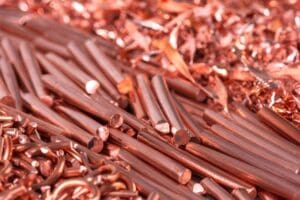
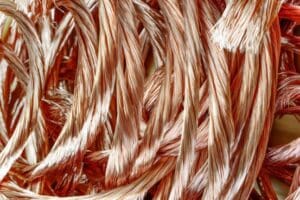
- Copper wiring may be stripped of insulation and chopped into pellets.
This size reduction process not only saves energy during melting but also ensures uniformity and consistency.
4. Melting in a Furnace
Next, the sorted and shredded metal is placed in a furnace. The furnace type and melting temperature vary based on the metal. For example:
- Aluminium melts at about 660°C
- Steel requires temperatures over 1,370°C
- Copper melts around 1,085°C
Recycling facilities use specially designed furnaces that reduce emissions and optimise energy usage. Recycling metals uses significantly less energy than producing them from raw ore, up to 95% less in the case of aluminium.
Melting can take anywhere from a few minutes to several hours, depending on the volume and type of metal being processed.
5. Purification and Refining
After melting, the metal undergoes purification to eliminate any impurities or contaminants. This step is essential to ensure the recycled metal meets the same quality standards as virgin material.
Different purification techniques include:
- Electrolysis (commonly used for copper)
- Chemical processes to remove non-metallic elements
- Fluxing agents that bond with impurities, allowing them to be skimmed off the top
The result is a clean, high-quality molten metal that can be reused in manufacturing.
6. Solidifying and Forming Ingots
After purification, the molten metal is poured into moulds to create ingots, billets, or sheets, depending on the intended future use. These standardised forms make transportation and handling easier and allow manufacturers to melt and reshape the metal as needed.
For example:
- Aluminium ingots might be sent to manufacturers to make new cans, aircraft parts, or window frames.
- Steel billets can be used to create beams, rebar, or tools.
- Copper rods may be turned into new electrical wiring or plumbing fixtures.
These metal forms are then cooled, hardened, and shipped to various industries.
7. Reuse in Manufacturing
This is where the recycled metal finds new life. Industries across the world rely on recycled materials for everything from infrastructure to electronics. Because recycled metals retain the same physical properties as new metals, they’re ideal for producing:
- Vehicles and aircraft
- Building construction materials (like steel beams and pipes)
- Packaging (aluminium cans, foil)
- Electronics and appliances
- Tools, furniture, and even art
In many cases, manufacturers prefer recycled metal due to its cost-effectiveness and environmental benefits.
8. Back Into the Consumer Cycle
Eventually, these new products enter the market and, after fulfilling their use, may again be discarded and recycled. This creates a circular economy, where metal is reused again and again without degrading in quality.
This continuous loop dramatically reduces the need for mining and refining raw ores, conserves natural resources, and lowers greenhouse gas emissions.
Conclusion
What happens to your scrap metal? Through scrap metal recycling, it’s cleaned, transformed, and returned to serve industries again, without waste or compromise. At Austick, we see your scrap not as rubbish but as raw potential. Have metal lying around? Let’s turn it into value. Contact us today to schedule a pick-up or ask about current prices.
FAQs:
What types of scrap metal can be recycled?
Most ferrous and non-ferrous metals, including copper, aluminium, steel, brass, and lead. Even electronic and industrial scraps have value.
How is scrap metal sorted after collection?
Metals are separated using magnets, manual inspection, and advanced tools to identify composition and quality before processing.
Does recycled metal lose its quality?
No. Metal can be recycled repeatedly without losing strength, conductivity, or performance, making it ideal for ongoing reuse.
Where does recycled metal go after processing?
It’s sold to manufacturers who use it in construction, transport, electronics, and energy sectors, both locally and internationally.
Why is scrap metal recycling important?
It reduces landfill waste, saves natural resources, lowers emissions, and supports Australia’s circular economy.