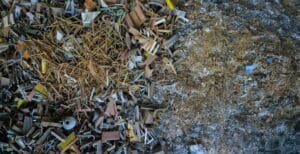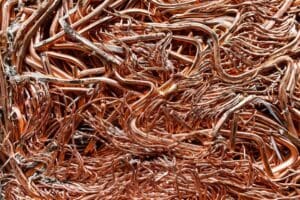

Choosing the right approach to metal recycling begins with understanding the key differences between ferrous and non-ferrous metals. Their composition, value, and recycling processes differ significantly. Austick works with both types, helping clients across Sydney identify, sort, and recycle metals efficiently. From rust-prone structural steel to high-value copper, the distinctions between these materials can impact both environmental outcomes and your financial return. Knowing the difference ensures nothing goes to waste.
Table of Contents
Key Takeaways
- Ferrous metals contain iron and are magnetic.
- Non-ferrous metals don’t rust and hold a higher value.
- Separation boosts recovery rates and profits.
- Metal type determines market demand and recycling method.
- Austick offers tailored recycling services for both categories.
What Are Ferrous Metals?
Ferrous metals are metals that contain iron. The word “ferrous” comes from the Latin word for iron, “ferrum.” The most common ferrous metal is steel, which is made by combining iron with carbon and other elements. Cast iron and wrought iron are classified as ferrous metals as well. They are typically magnetic, which is a useful feature when it comes to sorting metals in the recycling process.
Characteristics of Ferrous Metals:
- Magnetic: Ferrous metals are strongly magnetic, which makes them easy to identify and separate from other materials.
- Durability: Steel and other ferrous metals are incredibly strong and durable, making them ideal for construction, automotive, and industrial applications, although stainless steel is non-magnetic.
- Corrosive: One of the main drawbacks of ferrous metals is that they tend to rust or corrode when exposed to moisture, making them less ideal for certain applications, such as in coastal areas.
Common Ferrous Metals:
- Steel: Used in everything from cars and buildings to appliances and tools.
- Cast Iron: Known for its hardness and ability to withstand high temperatures, cast iron is often used in engines and heavy machinery.
- Wrought Iron: Less common today, but it was historically used in the construction of railings, gates, and furniture.
What Are Non-Ferrous Metals?
Non-ferrous metals are those that do not contain iron. They are typically lighter in weight, highly resistant to corrosion, and often hold greater value in recycling than ferrous metals. Non-ferrous metals are non-magnetic, which means they require a different sorting process. Some of the most common non-ferrous metals include aluminium, copper, lead, zinc, and tin.
Characteristics of Non-Ferrous Metals:
- Non-Magnetic: Unlike ferrous metals, non-ferrous metals do not attract magnets, which means they need to be sorted using methods like air separation.
- Corrosion-Resistant: Non-ferrous metals like aluminium and copper are highly resistant to corrosion, making them ideal for use in outdoor and marine environments.
- Lightweight: Non-ferrous metals tend to be lighter than ferrous metals, which is why they’re often used in the aerospace and automotive industries to reduce weight and improve fuel efficiency.
Common Non-Ferrous Metals:
- Aluminium: Commonly used in the production of cans, foil, window frames, and car parts. It is lightweight and highly resistant to corrosion.
- Copper: Known for its excellent electrical conductivity, copper is commonly found in wiring, plumbing, and electrical components.
- Lead: Commonly utilised in batteries, particularly within the automotive sector. Lead is also used in radiation shielding due to its dense, protective properties.
- Zinc: Commonly used for galvanising iron and steel to protect against rust.
- Tin: Often used as a coating for other metals to prevent corrosion, such as in the production of tin cans.
The Recycling Process: Ferrous vs. Non-Ferrous
While both ferrous and non-ferrous metals can be recycled, the scrap metal recycling processes for doing so are slightly different due to their distinct properties.
Ferrous Metal Recycling:
Ferrous metals are typically easier and cheaper to recycle than non-ferrous metals, mainly because of their magnetic properties. The recycling process for ferrous metals often starts with sorting and separating them from other materials. Magnets are used to attract ferrous metals, which are then cleaned and processed.
Once sorted, ferrous metals are melted down and reformed into new products. Steel, for example, can be melted and turned into new steel products like structural beams, car parts, or home appliances. Recycling ferrous metals reduces the need for mining new iron ore, which can be environmentally damaging. Recycling steel saves around 60% of the energy required to produce new steel from raw materials.
Non-Ferrous Metal Recycling:
Non-ferrous metals, on the other hand, are more valuable and require a different recycling approach. Because they are non-magnetic, they must be sorted using more advanced technologies like current separators, air classifiers, or density separators. Once sorted, these metals are then smelted at high temperatures, which can be more energy-intensive than recycling ferrous metals.
For instance, aluminium is one of the most commonly recycled non-ferrous metals. The recycling process for aluminium involves melting the metal down and removing impurities before it is cast into new products. Since aluminium does not lose its quality during the recycling process, it can be recycled indefinitely. Recycling aluminium conserves up to 95% of the energy needed to manufacture it from raw bauxite.
Copper, another common non-ferrous metal, can also be recycled indefinitely without losing its quality. In addition to being highly valuable, copper recycling helps reduce the environmental impact associated with mining new copper.
Economic and Environmental Impact of Metal Recycling
Types of scrap metal play a key role in understanding the benefits and processes of metal recycling. Both ferrous and non-ferrous metal recycling have significant economic and environmental benefits. Recycling metals helps preserve natural resources, minimises energy use, and decreases greenhouse gas emissions. By recycling ferrous and non-ferrous metals, we reduce the need for mining, which is a highly energy-intensive and environmentally damaging process.
From an economic perspective, the recycling of non-ferrous metals is often more profitable due to their higher market value. Non-ferrous metals like copper and aluminium are in high demand, and their recycling can generate substantial revenue. Conversely, although ferrous metals like steel hold less value, they are recycled in significant volumes due to their broad application in construction and manufacturing.
Conclusion
Understanding the difference between ferrous and non-ferrous metals is more than just technical knowledge, it’s a step toward smarter recycling and stronger returns. Whether you’re cleaning out a construction site or managing industrial waste, knowing your metals can make a real difference. Contact us today for expert metal recycling solutions across Sydney. We handle everything from copper wire to structural steel, efficiently, professionally, and with environmental responsibility at the core.
FAQs:
Which type of metal is worth more?
Non-ferrous metals, such as copper and aluminium, typically hold higher market value than ferrous metals like steel.
Is it acceptable to combine ferrous and non-ferrous metals for recycling?
It’s best to keep them separate. Mixed loads reduce sorting efficiency and may lower your payout.
Does Austick recycle both ferrous and non-ferrous metals?
Yes. We handle all metal types and offer fair pricing, fast service, and reliable collection across Sydney.
Why is copper recycling so important?
Copper is finite, expensive to mine, and highly reusable. Recycling saves energy and resources without sacrificing quality.
What steps should I take to get my scrap metal ready for pickup?
Remove contaminants, separate types, and contact our pickup team to schedule a collection.