Electronic waste is one of Australia’s fastest-growing environmental challenges, and copper plays a central role in its solution. At Austick, we’re committed to turning discarded materials into valuable resources. By recycling copper from old electronics, wiring, and appliances, we help reduce e-waste, conserve natural resources, and support a cleaner, more sustainable future.
Table of Contents
Key Takeaways
- Copper is endlessly recyclable, helping preserve natural resources
- E-waste recycling reduces landfill pollution and prevents toxic contamination
- Recycling copper saves up to 90% energy compared to new mining
- It supports Australia’s circular economy and community sustainability
- Austick makes copper recycling rewarding and responsible
Why Copper Matters in the E-Waste Conversation?
Copper is one of the most widely used metals in electronic devices, from circuit boards and electrical wiring to smartphones and televisions. Its superior conductivity and flexibility make it essential in nearly every modern appliance.
However, when electronics are discarded improperly, that copper often ends up in landfills, contributing to pollution and resource waste. According to research, global e-waste is expected to reach over 70 million tonnes annually by 2030, a staggering statistic that highlights the urgent need for responsible recycling.
The Growing Problem of E-Waste in Australia
E-waste, or electronic waste, refers to discarded electrical or electronic devices, anything from your old toaster to last year’s smartphone. According to the Australian Bureau of Statistics, Australia generates over 500,000 tonnes of e-waste every year, and that number is climbing fast.
While many Aussies are aware of recycling paper, glass, and plastics, e-waste recycling often falls through the cracks. Old electronics frequently end up in landfills, where hazardous materials like lead, mercury, and cadmium can leach into the soil and groundwater.
Yet among all those toxic components, there’s also a wealth of reusable materials, especially metals like copper, gold, aluminium, and silver. Of these, copper stands out for both its abundance and recyclability.
Why Copper Is So Important?
Copper is one of the most widely used metals in modern technology. You’ll find it in:
- Electrical wiring and cables
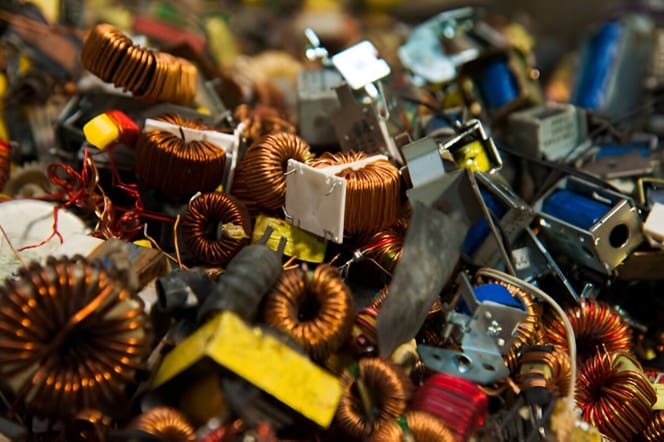
- Circuit boards and connectors
- Motors and transformers
- Batteries and renewable energy systems
Copper’s high electrical conductivity makes it essential for anything that uses electricity, which means it’s everywhere in our electronics. But mining new copper comes with a heavy environmental cost.
Extracting copper from ore requires vast amounts of energy and water, not to mention the destruction of landscapes and habitats. It also produces greenhouse gas emissions and toxic by-products. That’s why recycling copper from e-waste is such a powerful way to reduce our environmental footprint.
How Copper Recycling Works?
The copper recycling process is fairly straightforward but highly effective. Here’s how it usually happens in Australia:
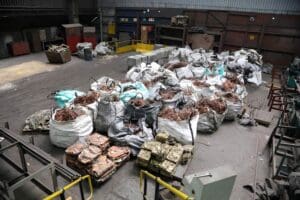
- Collection: Old electronic devices are collected through council recycling programs, e-waste drop-off points, or private recycling centres.
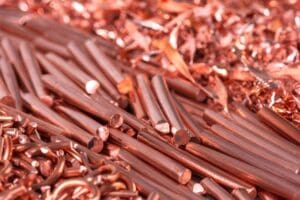
- Prepare Scrap Copper: Before processing, collected copper materials are cleaned, stripped of insulation, and sorted by grade. This copper preparation process ensures higher purity and efficiency during recycling.
- Sorting and Dismantling: Technicians separate copper-containing components from plastics, glass, and other materials.
- Shredding and Granulating: The metal components are shredded into small pieces. Magnetic and mechanical processes then isolate copper from other metals.
- Refining: The recovered copper is melted down, purified, and transformed into new products, ready to be reused in everything from new electronics to electrical wiring and plumbing materials.
The beauty of this process is that copper can be recycled indefinitely without losing its quality. Unlike plastics, which degrade over time, recycled copper retains its original conductivity and strength.
Environmental Benefits of Copper Recycling
Recycling copper from e-waste has several key environmental benefits:
1. Reducing Landfill Waste
By extracting copper and other valuable materials from discarded electronics, we dramatically cut down the volume of e-waste heading to landfills. That not only saves space but also prevents toxic substances from contaminating the environment.
2. Conserving Natural Resources
Every tonne of recycled copper means less need to mine new ore. Mining is energy-intensive and environmentally damaging, so reusing copper helps preserve natural ecosystems and reduces pressure on finite mineral resources.
3. Cutting Carbon Emissions
Producing copper from recycled material uses up to 85% less energy than mining and refining new copper. That translates to a significant reduction in greenhouse gas emissions, a win for both the planet and Australia’s climate goals.
4. Supporting a Circular Economy
Copper recycling plays a vital role in creating a circular economy, where materials are reused and repurposed rather than discarded. This shift away from a “take-make-dispose” model is key to achieving long-term sustainability.
Economic and Social Benefits
Copper recycling doesn’t just benefit the environment, it also supports the economy. Australia has a thriving scrap metal and recycling industry that creates jobs, drives innovation, and adds value to waste streams that would otherwise be lost.
Recycling copper locally also keeps valuable materials within the country. Instead of exporting e-waste overseas (often to developing nations with lax environmental standards), Australia can process and reuse its own materials responsibly.
On a smaller scale, Aussies can even earn a few extra dollars by selling copper scrap, from old wiring, plumbing, and electronics, to metal recyclers. It’s one of the few waste materials that can literally pay you back for doing the right thing.
What You Can Do
Every Australian can play a part in reducing e-waste through copper recycling. Here are a few simple steps:
- Don’t throw electronics in the bin. Take them to a designated e-waste recycling centre or council collection event.
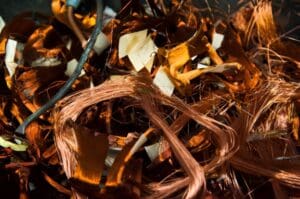
- Separate cables and cords. Copper wiring can often be recycled separately for maximum value.
- Buy refurbished or recycled products. Support companies that use recycled materials in their manufacturing.
- Spread the word. Encourage friends, family, and workplaces to recycle their e-waste responsibly.
A Sustainable Future for Australia
Copper recycling is one of the unsung heroes of the sustainability movement. It takes a waste problem, e-waste, and turns it into an opportunity to save resources, protect the environment, and create economic value.
As Australia moves towards a more circular and sustainable future, recycling copper from old electronics will play an increasingly important role. By keeping copper in use and out of landfill, we can help tackle the e-waste crisis head-on and make sure that the technology powering our lives today doesn’t cost the planet tomorrow.
Conclusion
Recycling copper is one of the simplest ways to fight e-waste and protect Australia’s environment. It conserves energy, prevents pollution, and keeps valuable materials in use. At Austick, we’re passionate about creating cleaner cities and sustainable futures through ethical metal recovery. To learn how recycling can also benefit you financially, check the latest scrap copper price updates. Ready to recycle your copper responsibly? Contact us today to learn how your business or household can contribute to a greener tomorrow.
FAQs:
Why is copper recycling important for reducing e-waste?
Because copper is a major component in electronics, recycling it helps recover valuable resources while reducing landfill waste and environmental damage.
How is copper extracted from electronic waste?
Specialised facilities separate copper from plastics and other materials through shredding, sorting, and smelting under controlled conditions.
Is recycled copper as good as new copper?
Yes. Copper can be recycled repeatedly without any loss of quality, conductivity, or strength.
What types of items contain recyclable copper?
Electrical cables, circuit boards, motors, air conditioners, and power tools often contain valuable copper components.
How can I recycle copper with Austick?
You can bring your copper scrap to our recycling facility or schedule a collection for convenient pickup.
Do you pay for copper recycling?
Yes. We offer competitive rates for all copper types, from insulated wire to heavy-grade scrap. Check our copper pricing for the latest updates.